Contents (11 sections)
Introduction to Pet Vaccinations
Pet vaccinations are crucial in safeguarding your furry friends against debilitating diseases. As a responsible pet owner, understanding the basics of pet vaccinations can dramatically enhance the well-being of your companions. Vaccinations stimulate your pet's immune system to ward off harmful pathogens. This introductory guide will delve into the essentials of pet vaccinations, offering insights from experts.
Why Vaccinate Your Pet?
Vaccinations play a pivotal role in preventing diseases both at an individual and community level. A vaccinated pet is not only protected from illnesses like rabies, distemper, and parvovirus but also helps curb the spread of infections. According to the World Health Organization, vaccinating dogs against rabies can significantly reduce transmission rates. Vaccinations also mitigate the risk of zoonotic diseases passing from animals to humans, providing a dual layer of protection. In essence, the practice of vaccinating pets benefits a wider community while ensuring your pet remains healthy.
Understanding Vaccination Protocols
Vaccination protocols vary depending on the type of pet, breed, age, and lifestyle. For instance, indoor cats may require different vaccines compared to outdoor cats. Typical protocols include core and non-core vaccines. Core vaccines are essential for all animals, while non-core vaccines are tailored based on exposure risk. Your vet will follow guidelines established by entities like the American Animal Hospital Association (AAHA) to determine the right course of action.
How to Prepare for a Veterinary Visit
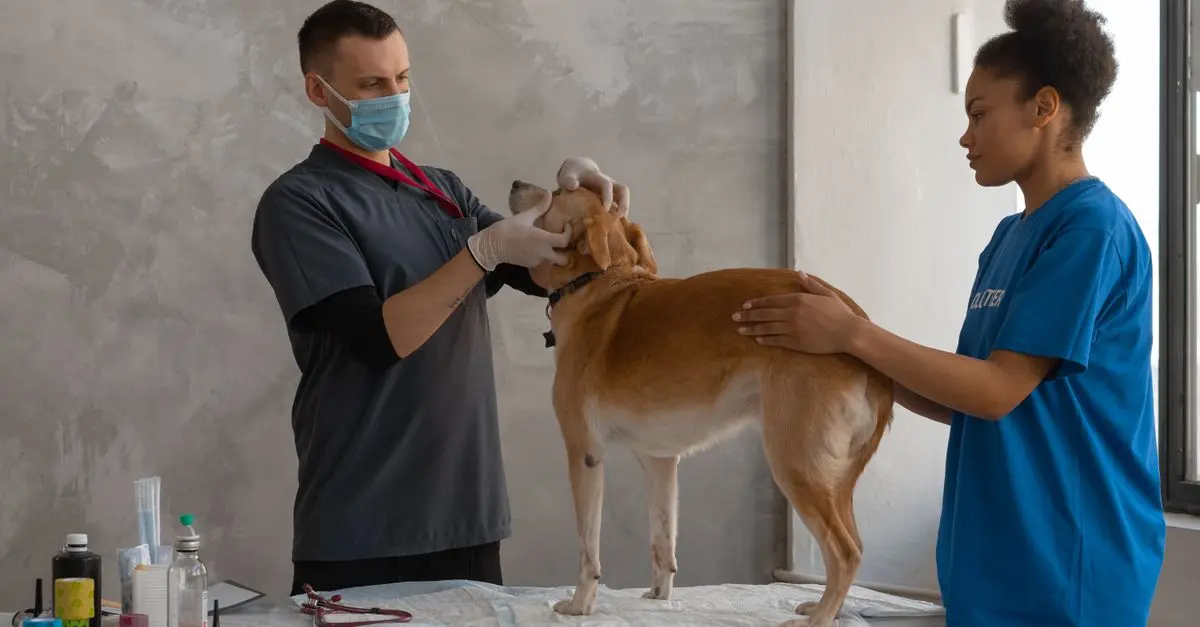
Preparation is key to ensuring a smooth vaccination appointment. Start by researching what vaccinations your pet needs and ensuring they are due according to the vet's schedule. Prepare your pet mentally by familiarising them with car rides if required, and ensure they are calm before the visit. Bring any necessary documentation or an up-to-date record of previous vaccinations. It's also beneficial to note any unusual behaviours or health changes to discuss with your veterinarian. This proactive approach can significantly enhance the quality of care your pet receives.
Comparative Guide: Types of Vaccines
| Criterion | Core Vaccines | Non-Core Vaccines | Optional Vaccines |
|---|---|---|---|
| Disease Coverage | High priority | Variable depending on risk | Owner preference |
| Frequency | Regularly scheduled | Risk assessment based | As per vet's advice |
| Cost Implications | Generally covered by insurance | May incur extra costs | Often extra |
| Examples | Rabies, Distemper | Lyme, Bordetella | Leptospirosis |
💡 Avis d'expert: Dr. Sarah Hughes from the Royal Veterinary College advises, "Regular reviews of your pet's vaccination needs are essential, especially as new research emerges. Balance the necessity of each vaccine with your pet's health status for optimal care."
FAQs on Pet Vaccinations
- What vaccinations do puppies need?
Puppies typically require rabies, parvovirus, and canine distemper vaccines. Consult your vet for a tailored schedule.
- Can indoor pets skip vaccinations?
No, some infections can spread indirectly. Vaccines like rabies and distemper remain crucial.
- How often should pets be vaccinated?
Core vaccines usually require annual or tri-annual boosters. Discuss with your vet for specific advice.
- Are there side effects to pet vaccinations?
Most side effects are mild, such as soreness or low fever, but consult your vet if concerns arise.
📺 Resource Video
📺 For further learning: Understanding Proper Vaccination Protocols for Pets. Find comprehensive information by searching on YouTube: "pet vaccination protocols explained"
Glossary
| Terme | Définition |
|---|---|
| Core Vaccine | A vaccine considered essential for all pets due to high-risk disease prevention |
| Non-Core Vaccine | Vaccines recommended based on a pet's proven risk exposure |
| Zoonotic Disease | A disease that can be transmitted from animals to humans |
- [ ] Verify your pet's vaccination schedule with their health records
- [ ] Ensure your pet is calm and comfortable with travel
- [ ] Prepare any questions regarding vaccine side effects
- [ ] Confirm the financial cost of vaccinations
- [ ] Update your contact information with the vet office
🧠 Quiz rapide : What is the primary reason to vaccinate pets?
- A) To increase vet visits
- B) To prevent disease
- C) For pet insurance
Réponse : B — Vaccinations prevent the spread of diseases and protect public health.