Contents (12 sections)
When it comes to the health of our beloved companions, visiting the vet is a crucial activity. However, not all pets are at ease during these visits, leading to stress for both the animal and the owner. By properly preparing your pet for the vet, you can ensure a smoother and more productive appointment.
1. Familiarise Your Pet with the Vet Environment
One of the key factors in reducing a pet's anxiety is to familiarise them with the vet clinic environment beforehand. Start by taking short trips to the vet for non-medical purposes. Allow your pet to explore the waiting room or even walk past the clinic on your daily walks. This helps desensitise them to unfamiliar smells and sounds, reducing anxiety during real visits. Studies have shown that pets exposed to similar environments beforehand exhibit lower stress levels during vet visits.
2. Practice Handling and Examination
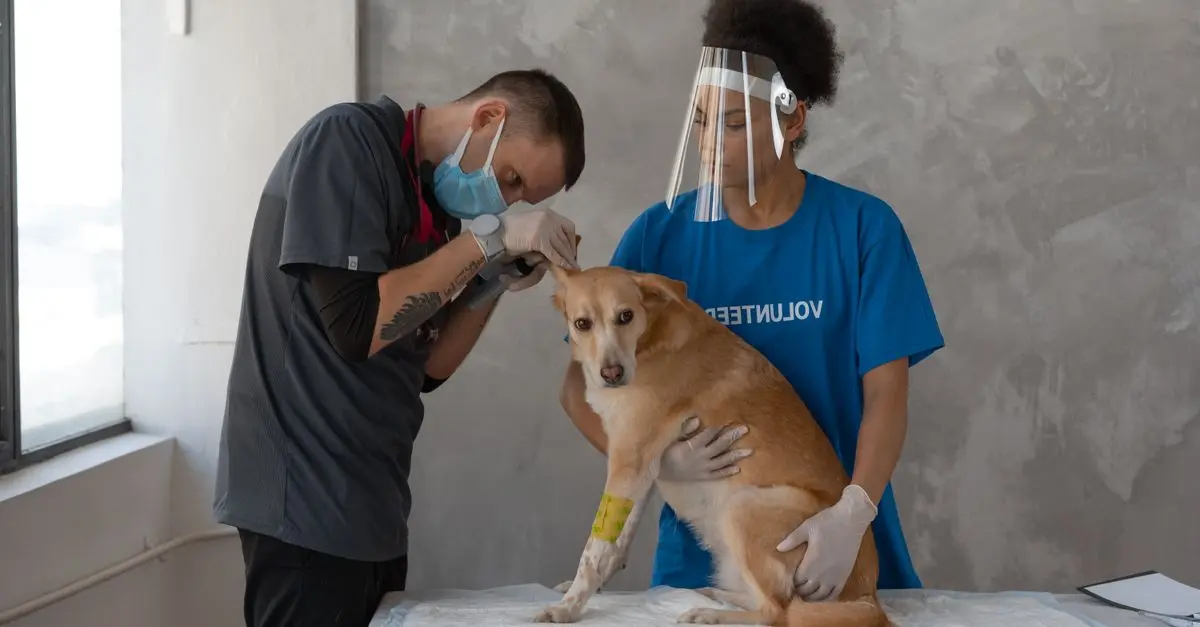
At home, mimic some of the handling procedures that the vet may perform. Regularly check your pet's ears, mouth, paws, and abdomen, rewarding them with treats or praise to create positive associations. This helps your pet become accustomed to touches and inspections and makes them more cooperative during actual examinations. Remember to be patient and gentle during these exercises, ensuring a positive experience.
3. Use the Right Transport Method
Transport can be a significant source of stress for pets before vet visits. Ensure your pet's travel to the clinic is as comfortable as possible. For cats, choose a sturdy carrier lined with familiar bedding. For dogs, use a safety harness or a pet seat cover for added security. Avoid feeding your pet large meals before travel to prevent nausea. A smooth ride will set a calm tone for the entire event.
4. Schedule Smartly
Choosing the right time for the vet visit can make a huge difference. Schedule appointments during less busy hours to avoid crowded waiting rooms that can overwhelm your pet. In 2026, many vets offer online scheduling tools where you can see real-time availability, allowing you to book at a time that suits both you and your pet.
5. Communicate with Your Vet
Before the appointment, communicate any specific concerns or behavioural patterns with your vet. This allows them to prepare and approach your pet in a way that minimises stress. Many modern clinics provide calmative treatments like pheromone diffusers in examination rooms and are open to accommodating specific requests from pet owners.
📺 Ressource Vidéo
> 📺 For further insights: “How to Calm Your Pet at the Vet”. Search on YouTube: calming pets vet visit tips.
6. Reward and Relaxation Post-Visit
Post-visit routines are as essential as pre-visit preparation. Once back home, reward your pet with their favourite snack or playtime, reinforcing the positive experience. Some vets now offer pet-friendly treats at the end of consultations, helping to create memorable positive memories of the event.
Comparative Table: Transport Methods
| Criterion | Car Carrier | Harness | Sturdy Carrier | Verdict |
|---|---|---|---|---|
| Security Level | Moderate | High | High | Harness/sturdy carrier preferred |
| Comfort for Pet | Varies | High | High | Harness/sturdy carrier preferred |
| Easy to Use | High | Moderate | Moderate | Car carrier for ease of use |
| Stress Reduction | Variable | High | High | Harness/sturdy carrier for calm |
Glossary
| Terme | Définition |
|---|---|
| Desensitisation | Gradually reducing anxiety by familiar exposure |
| Pheromones | Chemicals used to influence animal behaviours |
| Calmative | Substances or methods used to induce calmness |
🧠 Quiz rapide : How can you help your pet overcome vet stress?
- A) Frequent clinic visits with rewards
- B) Avoid handling them entirely
- C) Only take them when strictly necessary
Réponse : A — Frequent, positive associations with the vet help reduce stress.
Remember, preparation is key to ensuring a smooth and stress-free vet visit. By taking these steps, you not only create positive experiences for your pet but also contribute to their overall health and wellbeing.