Contents (11 sections)
Creating a safe outdoor space for pets ensures they can enjoy the fresh air and freedom while remaining secure from hazards. With a greater emphasis on pet welfare in recent years and a sharp rise in pet ownership—over 50% of UK households now have pets—understanding how to make your garden pet-friendly is essential. This guide will provide you with detailed strategies to create a safe haven for your furry companions.
Step 1: Assess Your Garden
Before you start making changes to your garden, it’s crucial to assess its current state. Identify any potential dangers that could harm your pets. Common hazards include:
- Toxic plants: Certain plants, like lilies and azaleas, can be lethal to pets. Research the plants in your garden to ensure they are safe. According to the Royal Veterinary College, many pet owners unknowingly expose their animals to toxic flora.
- Sharp objects: Check for broken glass, nails, and other sharp items that can injure your pets. A thorough clean-up will often do wonders.
- Fences and gates: Make sure your fencing is intact and high enough to prevent your pets from escaping or being exposed to other dangers outside your property. A fence should ideally be at least six feet high and made from sturdy materials. Experts claim that nearly 4% of pets escape due to inadequate fencing.
Step 2: Create Enclosures
Building a secure enclosure can provide your pets with a safe area to roam. This could involve:
- Dog pens or catio: Invest in a dog pen or create a catio, which is an outdoor enclosure designed to keep cats safe while allowing them to experience the outdoors. Use wire mesh or chain link to keep your pets inside.
- Safe zones: Designate a part of your garden specifically for pets, ensuring it is free from chemicals or irritants. Adding soft grass, small pet-friendly toys, and even a shaded rest area will keep them happy during warm days.
- Supervision: Even with enclosures, always supervise your pets when they are outdoors. This can prevent accidental injuries or escapes.
Step 3: Remove Hazards
Hazards within your outdoor space can pose serious risks to pets. Follow these tips to eliminate them:
- Chemicals: Ensure that any fertilizers, pesticides or herbicides are non-toxic to pets. It’s estimated that around 10,000 pets are exposed to harmful substances each year in the UK, often due to toxic garden chemicals.
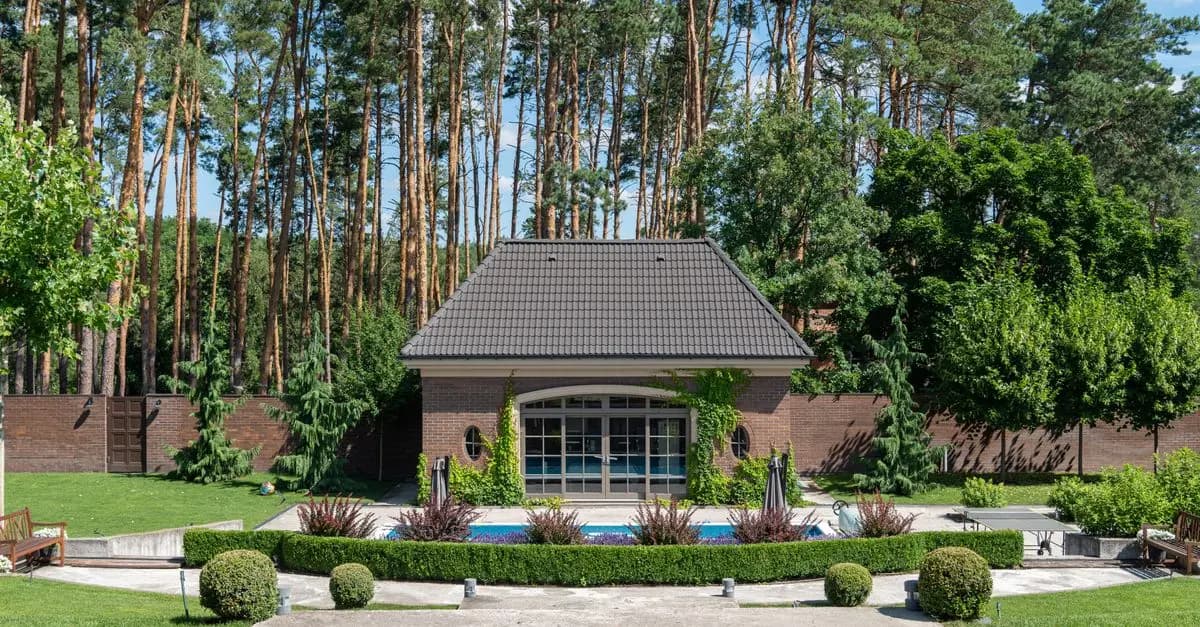
- Water features: If you have a pond or swimming pool, install gates or barriers to prevent accidents. Pet drowning incidents, while relatively rare, happen often enough that safety measures should not be overlooked.
- Gardening tools: Store tools safely after use. Items like lawnmowers or shears, if left unattended, can pose a danger. Always lock them away securely to keep your pets safe.
Step 4: Provide Entertainment
A well-designed outdoors space should not only be safe but also entertaining for your pets. Consider:
- Toys and engagement: Install climbing frames or provide toys that stimulate your pet’s curiosity, such as chew toys or balls. Studies have shown that enriched environments lead to healthier pets as they lower anxiety and improve behavioural problems.
- Safe digging areas: Some dogs love to dig. Consider creating a designated digging area filled with safe materials like sand. This allows them to dig without harming your garden.
- Agility equipment: For dogs, agility courses can be a fun way to keep them active. Small jumps, tunnels and weave poles can engage their minds and bodies.
Step 5: Use Pet-Friendly Gardening Techniques
To ensure that your garden remains a haven for pets, adopt gardening techniques that protect them:
- Choose safe plants: Opt for non-toxic flora and refrain from using plants that might harm your pets. Use resources like the ASPCA’s list of toxic plants to guide your choices.
- Compost responsibly: Avoid using compost that contains chemicals or non-pet-friendly waste. Keeping your compost bin secure can also prevent pets from digging through it. Remember, some compost can produce heat, posing a danger if pets try to investigate.
- Mulch choices: Be cautious with shredded mulch, as some varieties—like cocoa mulch—can be toxic to dogs. Use safe alternatives like pine or cedar mulch.
📺 Resource Video
> 📺 For further insight: Creating a Safe Outdoors for Pets, provides more strategies and visuals on how to ensure a secure pet-friendly environment. Search on YouTube: "creating a pet-friendly outdoor space".
Checklist for a Safe Outdoor Space for Pets
- [ ] Assess and eliminate hazards
- [ ] Ensure fencing is secure
- [ ] Create a pet enclosure
- [ ] Remove toxic plants and chemicals
- [ ] Provide entertainment and engagement
Glossary
| Terme | Définition |
|---|---|
| Catio | Enclos extérieur sécurisé pour chats, permettant de profiter de l'extérieur sans risques. |
| Pond | Étendue d'eau dans un jardin, souvent un danger potentiel pour les animaux de compagnie. |
| Agility | Sport canin impliquant des parcours d'obstacles, se pratique souvent dans les jardins sécurisés. |
{ "question": "What plants are safe for my pets in the garden?", "answer": "Some safe plants include petunias, snapdragons, and basils. Avoid lilies and azaleas as they are toxic.", }
{ "question": "How can I supervise my pets in the garden?", "answer": "Use baby gates or supervision tools to keep an eye on pets, especially in high-risk areas.", }
{ "question": "Do I need to use special fencing for pets?", "answer": "Yes, make sure your fence is tall enough and secure enough to prevent escapes.", }
{ "question": "How can I prevent my dog from digging in the garden?", "answer": "Create a dedicated digging area filled with sand or soil to redirect their behaviour.", }
Conclusion
Creating a safe outdoor space for pets requires planning and effort but the investment is well worth it. By providing a secure environment filled with excitement, you ensure your pets can enjoy the outdoors without the risks associated with an unprotected garden. If you're interested in more pet care tips, feel free to contact us, and subscribe to our weekly updates for more informative articles!
📺 Pour aller plus loin : creating a pet-friendly outdoor space sur YouTube