Contents (10 sections)
Creating a pet-friendly outdoor space is essential for both the happiness of your pets and the peace of mind of their owners. It involves careful planning and consideration of your furry friends' needs while ensuring that your garden remains beautiful and functional. In this article, we will guide you through the steps to design and implement a safe and enjoyable outdoor area for your pets.
1. Assess Your Space and Needs
Before diving into the design process, start by assessing your current outdoor space. Take note of the existing features, layout, and size of the area available. Consider which types of pets you have and their specific needs; for example, larger breeds might require more space to run around, while smaller pets might need secure areas to play safely.
Tip: Make a rough sketch of your garden, marking areas where pets typically play, rest, and explore. This can serve as your blueprint as you make alterations. Also, consider the weather conditions; shaded areas might be essential for pets to cool down during hot summer months.
2. Choose Safe Plants
Choosing the right plants is crucial for creating a pet-friendly outdoor space. Some plants can be toxic to animals, leading to serious health issues. For example, lilies and azaleas are known to be harmful if ingested.
Instead, opt for non-toxic options such as:
- Bamboo: Provides an excellent natural barrier.
- Spider Plants: Safe for cats and dogs; they also help purify the air.
- Marigolds: Brighten your space while being safe for pets.
Research or consult with a local nursery to find suitable plants for your area that are safe for pets. Pro Tip: Create a designated area filled with pet-safe herbs; this can serve both as a food source and a natural pest repellent.
3. Install Secure Fencing
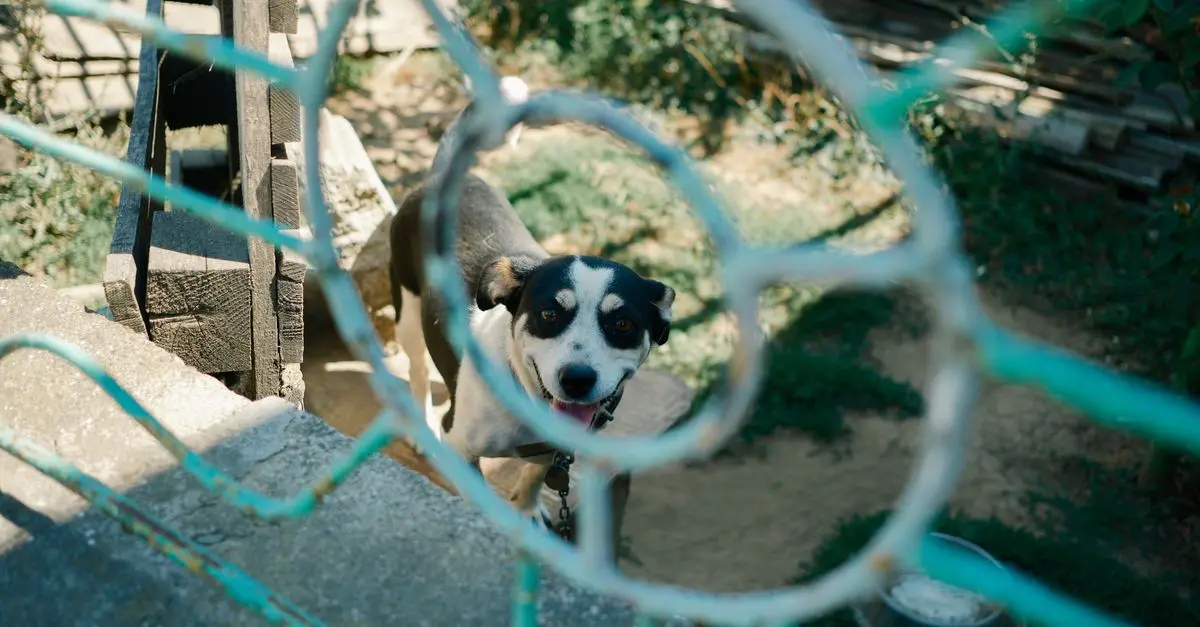
A secure fence is vital to keeping your pets safe while allowing them to enjoy the outdoors. Depending on your garden's layout and your pets' escape artist capabilities, you may need to invest in higher fencing or even dig a trench around the perimeter to prevent digging.
Common Issues to Avoid:
- Gaps between fence panels where pets could squeeze through.
- Weak gates that aren’t properly secured.
Always ensure the fence is tall enough for your pets not to leap over. If you have an agile dog, aim for at least 6 feet in height. Regularly inspect your fencing for wear and tear, and replace or repair any problematic areas immediately.
4. Create Comfortable Areas for Pets
Next, think about comfort. Just like humans, pets need a spot to relax outdoors. Consider adding elements such as:
- Pet beds or loungers: Choose weather-resistant materials for durability.
- Shade structures: Install a pergola or use a shade sail to offer respite from the sun.
- Cooling mats: These can help keep your pets comfortable during hot weather.
Don’t forget to provide fresh water at all times, placing a sturdy water bowl in a shaded, easy-to-access location. Regularly refill it, especially during the hotter months to keep your pets hydrated.
5. Design Play and Exploration Areas
To enrich your pets' experience, incorporate spaces dedicated to play and exploration. Popular options include:
- Agility equipment: Simple hurdles and tunnels can keep active dogs entertained.
- Digging boxes: Fill a designated box with sand or soil to satisfy your pet’s digging instincts without damaging other areas of the garden.
- Interactive toys: Consider growing catnip or other favourite plants that can engage your pets.
6. Consider flooring and paths
Utilise pet-friendly materials for paths and play areas. Grass is the most natural choice, but it can become muddy and wear over time. Instead, explore options such as:
- Artificial turf: Needs less maintenance and is easy to clean.
- Gravel: Provides a practical surface that drains well.
- Rubber mulch or pavers: Soft underfoot, reduces mud, and is resistant to wear.
Checklist Before Implementing Your Design:
- [ ] Assess the layout and needs of your space.
- [ ] Research and select safe plants.
- [ ] Ensure secure fencing is in place.
- [ ] Create comfortable areas for pets.
- [ ] Incorporate play and exploration spaces.
- [ ] Choose appropriate flooring materials.
💡 Expert Tip: Regularly observe your pets to adjust the space based on their preferences. For instance, if they seem to enjoy lounging in a specific area, enhance that space with comfort items.
Glossaire
| Terme | Définition |
|---|---|
| Agility Equipment | Ensemble d'équipement utilisé pour entraîner les animaux à travers divers obstacles. |
| Toxic Plants | Plantes pouvant nuire à la santé des animaux lorsqu'elles sont ingérées. |
| Pet-safe | Désigne des produits ou matériaux sans danger pour les animaux de compagnie. |
📺 Ressource Vidéo
> Creating a Pet-Friendly Garden, an in-depth exploration of designing spaces for your furry friends. Search on YouTube: "pet-friendly outdoor gardens 2026".
📺 Pour aller plus loin : pet-friendly outdoor gardens 2026 sur YouTube
Recommended products
Selected by our experts

HPE Instant On Outdoor AP27 (RW) 1774 Mbit/s Blanc Connexion Ethernet, supportant l'alimentation via ce port (PoE)
Topbiz FR
This outdoor access point ensures stable connectivity for pet cameras or other gadgets you may use in your pet-friendly area.

TP-Link ER703WP-4G-Outdoor entrée et régulateur 10, 100, 1000 Mbit/s
Topbiz FR
This outdoor router provides reliable a network for your devices, ensuring you can monitor your pets while they're outside.
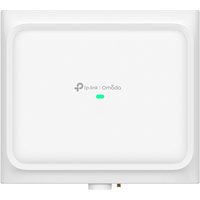
TP-Link Omada EAP772-OUTDOOR point d'accès réseaux locaux sans fil 9300 Mbit/s Blanc
Topbiz FR
Use this high-speed access point to set up a pet monitoring system in your outdoor space.