Contents (11 sections)
Creating a pet-friendly environment is essential for any pet owner who wants to ensure their furry friends are safe, happy, and comfortable. A pet-friendly environment not only keeps your pets secure but also enhances their quality of life and prevents accidents. In this guide, we will walk you through the necessary steps to transform your home into a safe haven for your beloved pets. By following these steps, you can minimise risks and create an enjoyable space for both you and your pets.
Step 1: Assess Your Living Space
Before you start making changes, it is crucial to assess your existing living space. Consider the layout, the types of animals you have, and their specific needs. For example, if you have a dog that loves to jump or a cat that likes to climb, evaluate areas where they might behave differently than expected. Look for potential hazards such as open windows, electrical cords, and fragile items that may easily be knocked over.
Additionally, check outdoor areas for fencing or other barriers that may not be secure. According to PDSA, around 40% of pets escape from gardens due to weak fencing, which can pose significant risks. Create a checklist of areas needing attention and think about how each room and space can cater to your pet’s safety and enjoyment. This assessment will form the foundation for all further modifications.
Step 2: Safe and Comfortable Rest Areas
Once you have assessed your living space, it is time to focus on creating safe and comfortable rest areas for your pets. Designate specific areas for your pets to retreat, sleep, and feel secure. Comfortable bedding, such as washable pet beds or cushions, provides a cosy spot for them to relax. Ensure that these areas are placed in quiet corners away from heavy foot traffic and loud appliances.
Consider the safety of these spaces as well. Avoid placing beds near stairs or high furniture that your pets could accidentally fall from. For smaller pets or those with mobility issues, provide ramps or steps to help them access their designated resting areas easily. According to a survey by The Kennel Club, a well-defined space can significantly reduce a pet’s anxiety and help them feel more at home.
Step 3: Pet-Proof Your Home
Pet-proofing your home is a critical step in creating a pet-friendly environment. Start by removing any toxic plants or chemicals that could harm your pets. Common household items like certain cleaning supplies, pest control products, and human food can be dangerous. Consider replacing these with pet-safe alternatives.
Furthermore, secure all electrical cords and cables to prevent chewing. You can use cord protectors or cable organisers for this purpose. Ensure that all windows have secure screens to prevent accidental falls. In kitchens, keep food out of reach and ensure that bins are securely closed. According to ASPCA, human food consumption can lead to serious health issues in pets, so keeping them away from kitchens can avoid potential emergencies.
Step 4: Choosing the Right Furniture
The choice of furniture can significantly impact how pet-friendly your home is. Opt for materials that are durable and easy to clean, such as leather or synthetic fabrics that resist stains and scratches. Avoid fabrics that trap hair or are difficult to maintain, as this can bring additional challenges for pet owners.
When selecting furniture, consider pet traffic patterns around the house. For example, choose lower furniture pieces which are easier for pets to access and navigate. Moreover, consider pet-specific furniture like cat trees or dog sofas to provide them with their own spaces to relax. While this may require additional investment, it’s vital for their comfort and safety. Many pet owners prefer furniture from brands like IKEA or Wayfair, which offer pet-friendly materials and designs.
Step 5: Creating Fun and Enriching Environments
To ensure your pets remain happy and stimulated, create an enriching environment that provides various activities. Interactive toys, scratching posts, and play areas engage their senses and prevent boredom. You can also designate a playroom or corner in your home for pet-friendly games and activities.
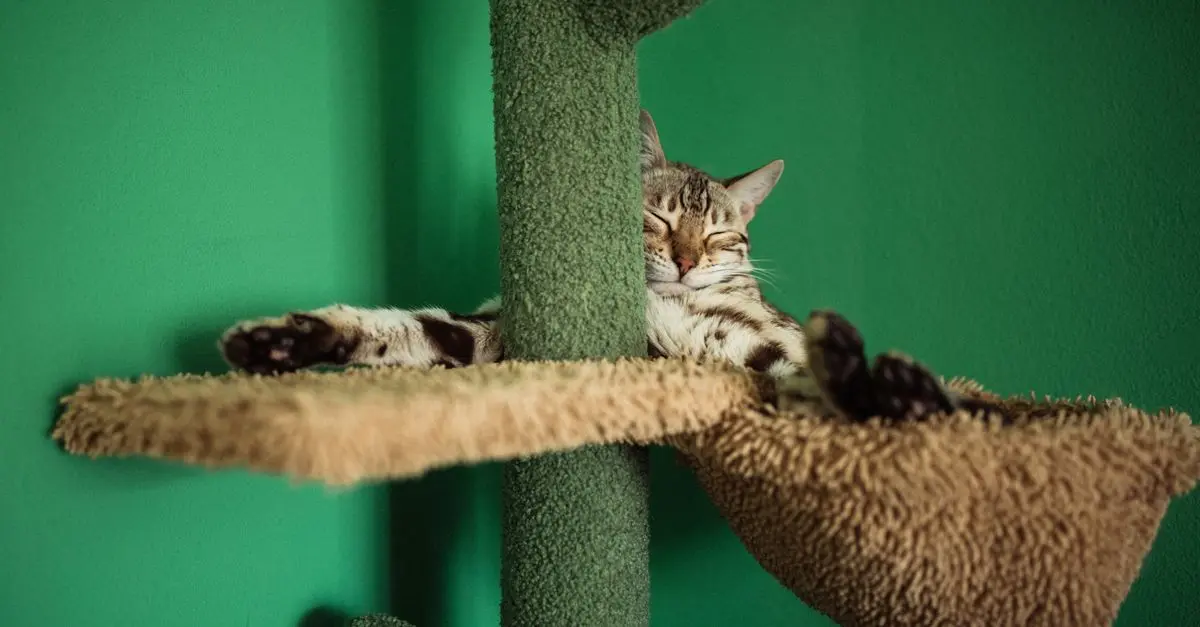
Consider incorporating vertical space for cats, such as shelves or cat trees, that allow them to climb and explore. For dogs, a secure backyard area with toys or agility equipment can keep them entertained. Engaging with your pets through regular playtime is essential, as this not only strengthens your bond but also adds to their physical and mental health. A survey by PetMD found that 65% of pet owners who engaged their animals intellectually reported happier pets.
📺 Resource Video
> 📺 For further insights: Creating a Pet-Friendly Home, an informative guide on transforming your space. Search on YouTube: "how to create a pet-friendly environment"
Step 6: Regular Maintenance and Updates
Creating a pet-friendly environment is not a one-time task but rather an ongoing commitment. Schedule regular checkups to ensure that your spaces remain safe and welcoming. Take note of any areas needing updates or improvements, especially as your pets age. For example, as pets grow older, they may require additional support, like non-slip mats and ramps.
Additionally, maintain your outdoor spaces by regularly inspecting fences and gates for any potential escape routes. Seasonal changes may also affect your home’s pet accessibility, so be prepared to adjust your settings accordingly. Keeping an eye on hygiene, such as regularly cleaning pet areas and ensuring that toys are safe and intact, is equally important in sustaining a healthy living environment.
Checklist before implementing changes
- [ ] Assess potential hazards in your living space
- [ ] Designate safe resting areas
- [ ] Remove toxic plants and chemicals
- [ ] Choose durable and easy-to-clean furniture
- [ ] Create engaging play areas for interactive fun
- [ ] Schedule regular maintenance checks
Glossary
| Terme | Définition |
|---|---|
| Pet-proofing | Measures taken to secure a home against potential dangers to pets. |
| Interactive toys | Toys designed to engage pets through movement or puzzles, promoting mental stimulation. |
| Enrichment | Activities or experiences that enhance a pet's quality of life, encouraging natural behaviours. |
---
📺 Pour aller plus loin : how to create a pet-friendly environment sur YouTube