Contents (10 sections)
Creating a pet-friendly home design goes beyond mere aesthetics; it involves understanding the needs of your furry companions while maintaining your personal style. In 2026, as more people embrace pet ownership, especially in urban environments, it's crucial to ensure our living spaces cater to these beloved creatures. This article offers essential tips and practical advice for designing a home that harmonises comfort for pets with a stylish look for humans.
1. Understand the Needs of Your Pets
Before diving into pet-friendly design, take a moment to evaluate the specific needs of your pets. Dogs may require space for exercise, while cats tend to appreciate vertical spaces for climbing and exploring. Consider your pet's size, age, and energy level. A large breed dog like a Labrador will benefit from wider hallways and larger furniture spaces, while smaller dogs and cats may require areas devoid of hazardous items they could access.
Actionable Tips:
- Conduct research on your specific pet breeds; some might have specific behavioural traits that affect space usage.
- Observe their favourite activities – do they prefer lounging, playing, or exploring different areas of the house? This will help dictate the best allocation of space.
2. Choose Durable Materials
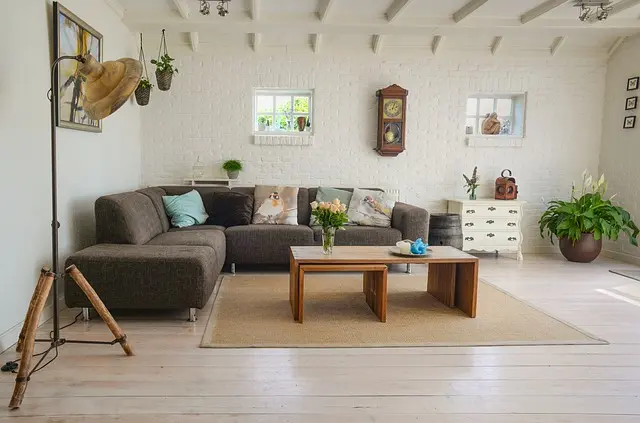
Selection of materials plays a vital role in pet-friendly home design. You want to invest in fabrics and flooring that withstand the wear and tear of pets. Look for options like microfiber for furniture, which is known for its durability and easy cleaning characteristics. For floors, consider laminate, vinyl, or tile, as they are significantly more resistant to scratches and stains compared to hardwood.
Statistics indicate that nearly 60% of pet owners experience issues with pet damage, making durability a necessary consideration when furnishing your spaces.
Choosing the Right Materials:
- Opt for dark-coloured fabrics to hide pet hair and stains better than lighter colours.
- Avoid overly plush carpets as pets can easily damage them, and they are harder to clean.
3. Plan for Safe and Functional Spaces
Designing a pet-friendly home involves optimising both safety and functionality of spaces. Secure areas such as cords, wires, and chemicals that pets could access. Furniture should be arranged to provide open areas for pets to lounge or play without obstruction. Expanding your space might include pet gates in areas where pets shouldn't roam, such as kitchens.
Safety First Tips:
- Use non-toxic cleaning products and securely store harmful substances.
- Ensure there are no sharp edges or small items within reach of playful pets that could lead to injuries.
4. Create Designated Pet Areas
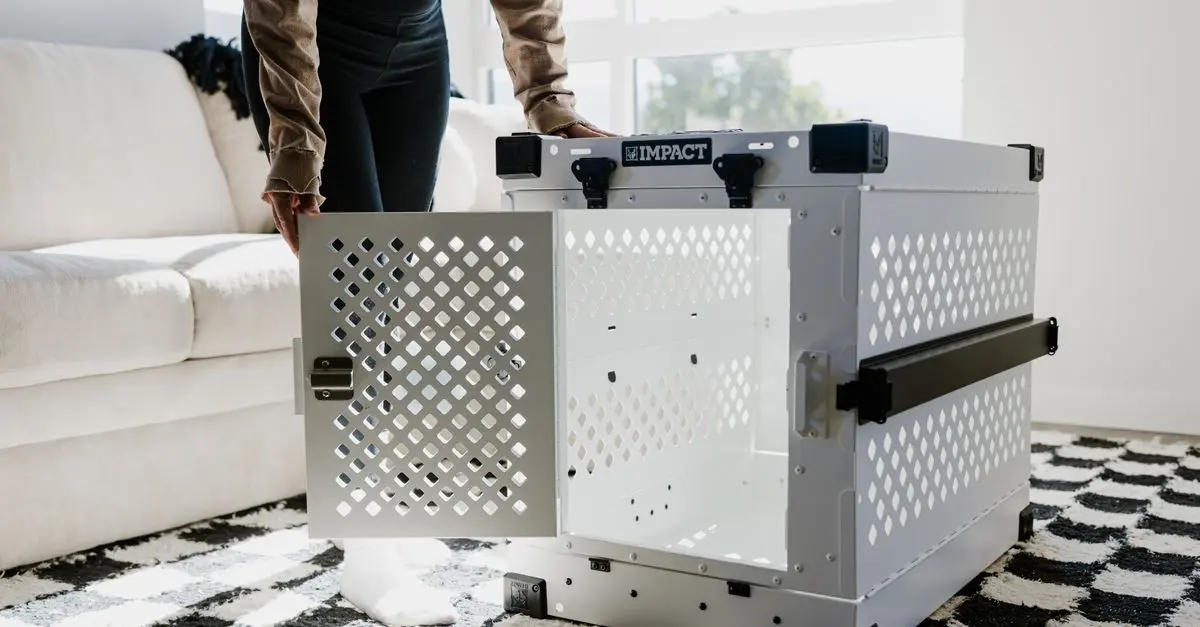
Creating specific areas for your pets can help maintain organisation while giving them personal space. Consider including a corner with pet beds or mats that match your home decor. Not only does this help your pets feel more secure, but it also keeps their belongings contained.
You might also think about design features such as built-in dog bowls within cabinets or similar options.
Design Ideas:
- Use furniture items with hidden compartments for storage of pet toys or food.
- Upgrade your pet bed so it complements your overall aesthetic.
5. Consider Outdoor Spaces
If you have access to a garden or patio, think about how to transform these areas into pet-friendly spaces. Secure fencing is key to keep pets safe while providing them a place to roam freely. You can design sections of the garden with non-toxic plants and create shaded areas for relaxation.
Statistics show that 30% of pet owners also consider outdoor spaces crucial for their pets’ wellbeing, further emphasising the importance of design in these areas.
Outdoor Design Tips:
- Include paths for light exercise and exploration.
- Design a sandbox for digging dogs or climbing structures for cats if space allows.
Checklist before implementing your design
- [ ] Evaluate your pet's needs thoroughly.
- [ ] Choose durable materials that withstand wear and tear.
- [ ] Ensure safety by securing hazardous items.
- [ ] Create designated areas for pets within the home.
- [ ] Optimise outdoor spaces for pet comfort and safety.
Glossary
| Term | Definition |
|---|---|
| Pet-friendly | Describes environments designed to ensure the safety, accessibility, and comfort of pets. |
| Durability | The ability of a material or product to withstand wear, pressure, or damage. |
| Non-toxic | Refers to substances that pose minimal or no risk to health, especially in the context of pets. |
📺 Resource Video
> 📺 For further insights: How to Create the Perfect Pet-Friendly Home, an in-depth guide on designing spaces that welcome pets. Search YouTube for: "pet-friendly home design ideas".
🧠 Quick Quiz: Which of the following materials is best for a pet-friendly home?
- A) Sensitive wool carpets
- B) Microfiber fabric
- C) Light-coloured upholstery
Answer: B — Microfiber is durable and easy to maintain, making it ideal for homes with pets.
Implementing these pet-friendly design tips can transform your living space into a haven for both you and your furry friends. Not only will your home maintain its stylish essence, but it will also accommodate the needs of your cherished pets. Embrace the balance between beauty and utility and enjoy a space that everyone loves!
📺 Pour aller plus loin : pet-friendly home design ideas sur YouTube