Contents (16 sections)
As winter approaches, it's vital to consider pet safety in winter not just for dogs but for all pets. Cold temperatures can pose serious threats to our furry companions, from health risks to increased hazards. This article details essential tips to help keep your pets safe and comfortable throughout the colder months.
1. Understand the Risks of Cold Weather
Cold weather can drastically affect your pet's health. Animals can suffer from cold-related illnesses such as frostbite or hypothermia, particularly if they are left outside for extended periods. According to the Humane Society, pets can experience temperatures below 7 °C in dangerous ways. Therefore, it's crucial to be aware of how cold weather affects different breeds. For instance, smaller or short-haired breeds may not fare well in the chill. It is often best to bring pets indoors during severe weather, providing them with warmth and protection.
2. Dress Your Pet Appropriately
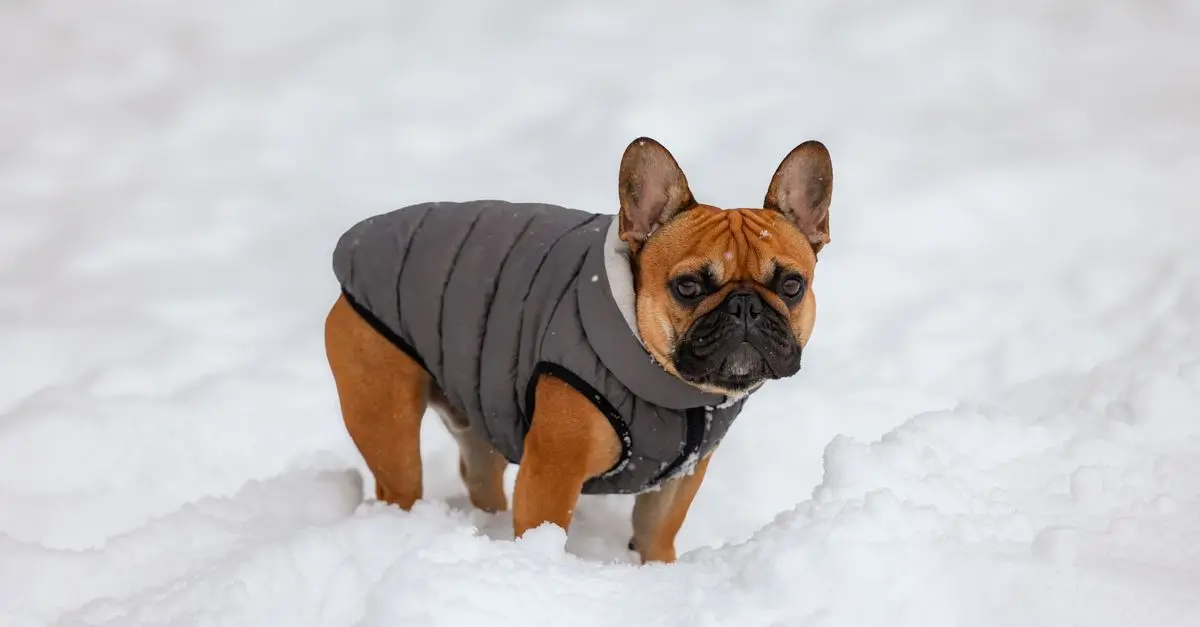
One effective way to safeguard your pet against winter’s chill is investing in proper clothing. Coats and sweaters can help retain body heat, especially for small or thin-furred animals. When choosing a winter outfit, ensure the garment fits correctly — it should not be too tight or loose. Look for materials that are both warm and water-resistant, as wet fur can lead to additional cold exposure. There are many stylish and functional options available today that make caring for your pet enjoyable.
3. Ensure Proper Nutrition and Hydration
Providing your pet with proper nutrition in winter is crucial. Cold weather can increase your pet's caloric needs as they expend more energy to stay warm. Consult your veterinarian regarding any necessary dietary adjustments. Furthermore, ensure your pet has access to fresh, unfrozen water. Animals may require more fluids in winter due to dry indoor heating, so frequent checks on their water supply are essential.
4. Watch for Ice and Snow Hazards
While it might be fun for pets to play in the snow, it can also pose dangers. Be vigilant about ice, as pets may slip and fall, potentially leading to injuries. Additionally, be cautious about salt and de-icing agents used on roads and pavements; these can be harmful if ingested. Always wipe your pet's paws after walks to prevent irritation from these harmful substances. Recognising these hazards can avert unfortunate accidents.
5. Create a Safe and Warm Space Indoors
Indoor spaces should be inviting and safe for your pets during winter months. Make sure they have access to a warm, comfortable place to rest. Consider setting up a soft bed away from drafts, ideally in a room that stays warm. Familiar items, such as their toys or blankets, can provide comfort and security. Remember that pets often appreciate their own cozy nook away from bustling family activities.
6. Regular Health Checks are Essential
Winter can exacerbate existing health issues. Regular veterinary check-ups allow for early detection and prevention of health problems. For instance, older pets may experience increased arthritis flare-ups in cold weather. It’s always wise to consult with your vet regarding preventative measures for ongoing health issues during winter. Investing in your pet's health can pay dividends in their well-being and quality of life.
7. Keep Your Pet Active
Even if it’s cold outside, physical activity is crucial for your pet’s health. Regular playtime not only helps combat cold-weather lethargy but also maintains their mental well-being. If outdoor conditions are too harsh for long walks, consider shorter, more frequent sessions outside or engaging in play within your home. Activities like fetch or indoor agility courses can keep your pet engaged despite the weather.
8. Safeguard from Carbon Monoxide Poisoning
In winter, many pet owners rely on heating systems. Unfortunately, malfunctioning heating appliances can lead to carbon monoxide build-up. Make sure your home has working carbon monoxide detectors, especially near areas where pets spend time. Always check that your heating units are in good working order to avoid exposing your pet to this silent danger.
9. Stay Aware During Travelling
If travel is part of your winter plans, ensure your pet is ready for the journey. Many pets may get anxious when travelling, so it’s advisable to prepare accordingly. Provide a safe and secure space in your vehicle. Additionally, never leave your pet unattended in a cold car, as temperatures can drop rapidly, leading to hypothermia or worse.
10. Grooming is Still Important
Regular grooming should not take a backseat in winter. Despite the colder temperatures, pets still shed and require it to prevent matted fur, which can trap moisture and lead to health issues. Brush your pet regularly and keep their nails trimmed to prevent slipping on ice. Regular grooming is beneficial for their health and well-being, as maintained coats can insulate them properly.
11. Preparation for Emergencies
Finally, it’s wise to prepare for any winter emergency. Keeping essential items, such as a first-aid kit specifically for pets, can make all the difference if something unexpected occurs. Familiarise yourself with the nearest veterinary emergency services, particularly during inclement weather when travel may be hazardous.
12. Offer Love and Attention
Never underestimate the power of love and companionship in keeping your pet emotionally balanced during winter months. Cold weather can lead to anxiety or depression in pets. Regular engagement through attention and affection helps reassure them that all is well and fosters a bond that withstands the winter chill.
Checklist before Winter Arrives
- [ ] Understand the risks of cold weather for pets
- [ ] Shop for appropriate winter clothing
- [ ] Adjust nutrition for colder conditions
- [ ] Keep an eye on ice and snow hazards
- [ ] Create a warm indoor resting space
- [ ] Schedule regular health checks with the vet
- [ ] Ensure continued activity despite cold weather
- [ ] Maintain awareness of carbon monoxide risks
- [ ] Plan for safe travelling with your pet
- [ ] Continue regular grooming sessions
- [ ] Prepare for emergencies and vet contact
- [ ] Provide emotional support and bonding time
🧠 Quiz rapide : Is it safe for pets to play outside in the snow?
- A) Yes, always.
- B) Only for a short time.
- C) Never.
Réponse : B — Only for a short time when monitored!

2019 new hot sale D99 Elderly GPS Tracker smart watch Android Smart SOS GSM GPS LBS Wifi Safety Anti-Lost Locator Watch
Alibaba UK

Unbranded Stroller Fan Portable Safety Clip-on USB Mini Fans for Buggy Baby Pram Stroller
onbuy.com

Manhattan Floor Stand for TV & Monitor Mounts (Ultra Slim), Stand Assembly, For screens: 37" to 55", VESA compatability: all between 200x200 to
Back to the Office
Glossaire
| Terme | Définition |
|---|---|
| Frostbite | Tissue damage caused by freezing, affecting extremities like ears and paws. |
| Hypothermia | A dangerous drop in body temperature, which can be life-threatening. |
| De-icing agents | Chemicals used to melt ice; they can be harmful if ingested by pets. |
📺 Pour aller plus loin : Learn how to keep your pets warm in winter, a comprehensive guide on pet care during the winter months. Search on YouTube:
pet care winter 2026.
📺 Pour aller plus loin : pet care winter 2026 sur YouTube
Recommended products
Selected by our experts

Unbranded set of bicycle safety flags with pole, advertising bicycle flag, practical bicyc
onbuy.com


Unbranded (As show, One size) Kids Party Sunglasses with Safety Glasses Neon Sunglasses fo
onbuy.com

3G Elders Smartwatch A19 personal safety care kids watch two way emergency call GPS WIFI SOS LBS tracker Camera Locator watch
Alibaba UK

4g 2019 New Smart Watch with Camera Video Call Support for Kids Safety Guard One Button SOS Calling
Alibaba UK