Contents (12 sections)
Creating a pet-friendly garden can be a rewarding yet challenging task. Whether you're a cat lover or a dedicated dog owner, your furry friends deserve a safe space to explore and play. This guide presents essential pet-friendly garden tips to help you design a beautiful garden that meets the needs of both your plants and pets.
Table of Contents
- Understanding the Needs of Your Pets
- Plant Selection: Safe vs. Toxic
- Creating Secure Boundaries
- Designing Pet-Friendly Pathways
- Water Features: Safety First
- Comfort Zones: Shade and Shelter
- Natural Pest Control
- Interactive Play Areas
- Regular Maintenance Practices
- Checklist for a Safe Pet-Friendly Garden
Understanding the Needs of Your Pets
Creating a pet-friendly garden starts with understanding how your pets interact with their environment. Dogs and cats have different needs; for example, dogs might enjoy more open spaces to run while cats could prefer climbing structures that stimulate their natural instincts. Including a variety of surfaces, such as grass, sand, and gravel, can provide sensory experiences. Incorporating areas for them to dig or hide will also keep them entertained. According to an article by UFC-Que Choisir, a well-thought-out garden can significantly enhance your pet's well-being, making it crucial to consider their preferences while planning.


Kikidex (As show, One size) Leaf Blower for Vacuum Cleaner, Vacuum Cleaner Bag, Garden L
onbuy.com
Plant Selection: Safe vs. Toxic
Choosing the right plants is key to maintaining a safe garden for your pets. Many common garden plants are toxic to animals, including lilies, azaleas, and sago palms. Instead, opt for non-toxic plants such as sunflowers, marigolds, and basil. These not only add beauty but are also safe for pets. Research indicates that pet owners who are careful about plant selection can reduce the risk of poisoning significantly. Check labels or consult plant databases to ensure that what you plant poses no threat to your furry friends. You can find more on this topic at resources like the ASPCA or pet care websites.
Creating Secure Boundaries
To allow your pets to enjoy the garden safely, effective fencing is essential. Design your garden with secure boundaries, ensuring that fences are tall enough and buried deep enough to prevent escapes. Materials like wood or wire fencing should be considered, depending on the size and ability of your pets. Additionally, gates should be sturdy and lockable. Installing barriers in areas with pools or ponds can prevent accidental falls. Statistically, gardens with proper fencing reduce the risk of pets wandering off by up to 70%, illustrating the importance of a secure environment.
Designing Pet-Friendly Pathways
Pathways are often the backbone of luxurious gardens. For a pet-friendly design, consider materials that are soft on paws, such as grass or mulch, rather than gravel or sharp stones. Create winding paths that encourage exploration while allowing easy access to shaded areas. Rubber tiles or grass pavers can provide traction and prevent slips, especially during wet weather. This thoughtful design not only enhances the aesthetic but also ensures that your pets can navigate the space comfortably and safely.
Water Features: Safety First
Water features can be an attractive addition to any garden, but they must be designed with pet safety in mind. Steep or slippery edges can lead to accidents, so it’s essential to ensure that any ponds or water bodies have gradual slopes and non-toxic, pet-safe water plants. Consider using mesh covers for smaller water features or creating a designated drinking area that allows pets to hydrate safely without risking a tumble. This admin can also deter mosquitos, ensuring your pets have a pleasant outdoor experience.

China mini outdoor garden portable barrel bluetooth speaker for backpack with wireless charging
Alibaba UK

Orsina 2 Seat Rope Sofa, Rope Garden Sofa, Easy to Clean Grey Outdoor Sofa, Back & Armrest Rope Sofa Grey
debenhams.com

Comfort Zones: Shade and Shelter
A pet-friendly garden should include areas where pets can rest and seek shade. Providing shelters, such as doghouses or shaded pergolas, creates inviting spots for your pets to cool down during warm weather. Plan these comfortable areas with proper ventilation to maintain a safe environment. Dogs and cats often prefer elevated resting spots, so consider including platforms or ramps where they can lounge comfortably. In summer, these features can keep your pets comfortable while also adding aesthetics to your garden.
Natural Pest Control
Using chemicals in your garden can be risky for pets, so consider natural alternatives for pest control. Companion planting, where you grow plants that naturally repel pests alongside your flowers or vegetables, can reduce the need for pesticides. Herbs like rosemary and basil are excellent for this purpose. Additionally, introducing beneficial insects like ladybugs will help combat pests without harming your pets. This method promotes a safer environment for both your plants and pets while also preserving the garden's ecosystem.
Interactive Play Areas
Incorporating interactive elements such as climbing frames, tunnels, or pet playsets can greatly enhance your garden's fun factor. Dogs love to chase after balls or enjoy agility obstacles, while cats might appreciate climbing towers. Creating designated play areas fosters exercise and mental stimulation, crucial for their overall wellbeing. Engaging with your pets in these areas strengthens your bond and creates joyful experiences.
Regular Maintenance Practices
Maintaining a garden involves regular tasks such as weeding, trimming, and cleaning. Ensuring that your garden is well-kempt will reduce hazards for your pets. Sharp tools and broken plant pots can lead to injuries, so it is vital to store equipment properly and dispose of any waste safely. Also, ensure that any potentially harmful gardening substances are out of reach from curious paws. Consistent upkeep keeps your garden looking its best while providing a safe play environment for your pets.
Checklist for a Safe Pet-Friendly Garden
- [ ] Choose non-toxic plants for safety.
- [ ] Install secure fencing around the perimeter.
- [ ] Design soft, paw-friendly pathways.
- [ ] Ensure water features are safe and accessible.
- [ ] Create shaded areas or shelters.
- [ ] Implement natural pest control methods.
- [ ] Add interactive play structures.
- [ ] Maintain a tidy and hazard-free garden.
Maintaining a beautiful outdoor oasis while keeping your pets safe is achievable with these pet-friendly garden tips. By considering your pets’ needs at every step, you can create a harmonious environment where both plants and pets thrive, turning your garden into a delightful retreat for all.
Glossaire
| Terme | Définition |
|---|---|
| Companion planting | La pratique consistant à cultiver différentes plantes ensemble pour des avantages mutuels. |
| Paw-friendly | Un terme désignant des surfaces qui sont douces et confortables pour les coussinets des animaux. |
| Non-toxic plants | Plantes qui ne présentent pas de danger pour les animaux de compagnie, même en cas d'ingestion. |
> 📺 Pour aller plus loin : Pet-friendly gardening tips, une analyse complète de la conception d'un jardin sûr pour les animaux de compagnie. Recherchez sur YouTube :
pet-friendly garden tips 2026.
📺 Pour aller plus loin : pet-friendly garden design tips 2026 sur YouTube
Recommended products
Selected by our experts

(grey pine, middle sofa) vidaXL Garden Middle Sofas Outdoor Sofa Sectional Sofa
onbuy.com
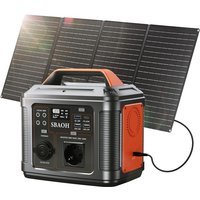
SBAOH P302 Portable Power Station with 60 W Solar Panel, 296 Wh Solar Generator with 300 W Output, Mobile Power Supply for Garden, Travel, Camping,
Gshopper


(grey pine, corner sofa) vidaXL Garden Middle Sofas Outdoor Sofa Sectional Sofa
onbuy.com