Contents (13 sections)
Introduction to DIY Pet Toys
Creating DIY pet toys is not only cost-effective but also a fun activity that engages both you and your pet. According to UFC-Que Choisir, pet owners spend an average of £50-£100 monthly on pet supplies, which can add up over time. By utilising household items, you reduce waste and personalise toys to suit your pet's preferences. This approach fosters creativity and ensures your pet stays active and happy.
Step 1: Gather Your Materials
Before diving into DIY projects, it's crucial to collect essential materials. Most DIY pet toys can be made with items found around your home. Look for old t-shirts, socks, cardboard boxes, empty plastic bottles, and non-toxic markers. Always prioritise safety; avoid sharp objects and ensure all materials are pet-friendly. According to ADEME, using recyclable materials not only helps the environment but also teaches responsibility and sustainable practices.
Step 2: Create a T-Shirt Tug Toy
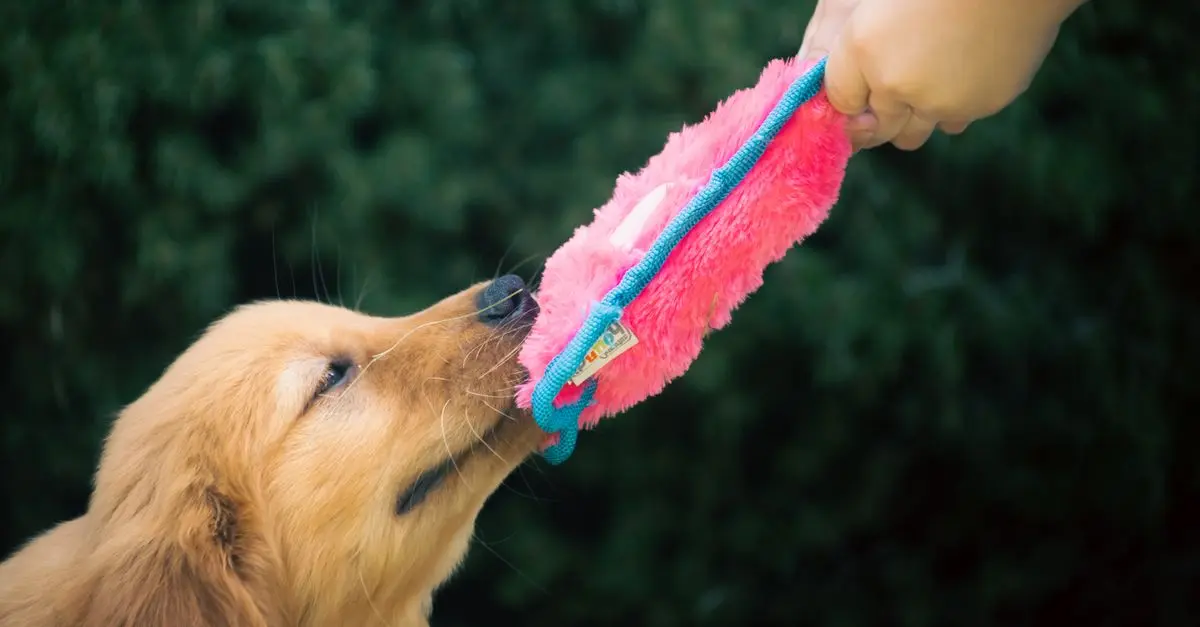
Transform an old t-shirt into a tug toy your pet will love. Start by cutting the t-shirt into strips of equal length. Braid these strips tightly to ensure durability. Knot the ends to complete the toy. This tug toy encourages physical activity and strengthens bond during playtime. Avoid using shirts with small attachments like buttons that could pose a choking hazard.
Step 3: Design a Cardboard Castle
Repurpose cardboard boxes into a castle for your cat. Cut openings for doors and windows, then stack the boxes to create multiple levels. Secure them with non-toxic glue or tape. Add personal touches with non-toxic markers, but ensure the structure is stable. Cats love exploring nooks and crannies, which this castle provides.
Step 4: Make a Sock Ball
Using a single sock, create a soft ball toy. Simply stuff the sock with fabric scraps or another sock until firm. Knot the end, ensuring it’s secure. This toy is ideal for dogs and small pets who enjoy fetching and chewing. Keep in mind: always dispose of torn toys to prevent ingestion of loose threads.
Step 5: Assemble a Bottle Shaker
Create a noise-making toy by filling an empty plastic bottle with small dry items like beans or rice. Seal the cap securely to prevent spillage. This toy stimulates pets' senses and curiosity. Expert Tip: Never leave pets unsupervised with this toy if they're prone to chewing.
Step 6: Final Touches and Safety Tips
Always inspect your DIY pet toys for damage before and after playtime. If a toy shows signs of wear, retire it to ensure safety. According to Les Numériques, keeping pet toys clean can also prevent health issues, reinforcing the importance of maintenance.
📺 Resource Video
> 📺 For further exploration: How to Make Simple Pet Toys, explore varied DIY toys for different pets. Search on YouTube: "DIY pet toys tutorial".
Comparative Table
| Material Type | Pros | Cons | Ideal For |
|---|---|---|---|
| T-Shirt | Recyclable, soft | Weaker longevity | Dogs |
| Cardboard | Chewable, recyclable | Not durable in wet conditions | Cats |
| Plastic Bottle | Stimulating, durable | Requires supervision | Dogs |
| Socks | Soft, chewable | Can tear easily | Small pets |
Glossary
| Term | Definition |
|---|---|
| DIY | Do It Yourself, creating or repairing objects on your own. |
| Toxicity | The quality of being toxic or harmful to health. |
| Recycling | The process of converting waste into reusable material. |
Checklist
- [ ] Ensure materials are pet-safe
- [ ] Avoid small detachable parts
- [ ] Regularly inspect toys for wear
- [ ] Clean toys frequently
- [ ] Monitor pet during playtime
- What are some easy DIY pet toys?
Easy options include t-shirt braids, cardboard castles, and sock toys.
- Are DIY pet toys safe?
Most are safe if materials are non-toxic and regularly inspected.
- Can I use any fabric for DIY toys?
Use fabrics free of buttons or embellishments to avoid hazards.
- Why choose DIY over commercial toys?
DIY offers cost-effectiveness, customisation, and eco-friendliness.