Contents (9 sections)
Gardening can be a joyful experience, especially when you can share it with your beloved pets. However, it's important to consider the safety and happiness of your pets in your garden design. A pet-friendly garden not only caters to the aesthetics but also ensures that your pets can roam freely and safely. This article provides a comprehensive guide on how to create a garden that's welcoming to all furry inhabitants while maintaining its beauty.
1. Assess Your Space: Understanding the Needs of Your Pets
Before diving into garden design, take a moment to understand the specific needs of your pets. Different pets have different habits and preferences. For instance, if you have a dog, consider its size, breed, and energy level. Dogs often appreciate open spaces for running and playing, while cats may prefer spots where they can hide and observe their surroundings.
Begin by assessing your garden's size and layout. Measure the areas which can be pet-proofed without compromising the garden's design. Removing hazardous plants and sharp objects is essential. Consider erecting fencing or natural barriers to create a designated play area, ensuring your pets cannot escape while still allowing them to enjoy the freedom of the outdoors. If you are installing a water feature like a pond, ensure it’s shallow or has safe edges to prevent accidents.
2. Choose Safe Plants and Materials
Plant selection is crucial when creating a pet-friendly garden. Some plants are toxic to pets, so it's wise to opt for non-toxic varieties. Certain common garden plants can pose a risk, including lilies, azaleas, and oleander. Instead, consider planting options such as marigolds, sunflowers, or basil, which are pet-safe and can even enrich your garden with flavourful herbs.
Additionally, be careful with materials used in garden features. Avoid sharp stones or metal pieces that could injure curious pets. Choose natural, non-toxic materials for paths, play areas, and any structures you may build. Using mulches made from safe bark or coconut fibre can enhance the aesthetics of the garden while providing a safe ground cover for your pets.
3. Create Designated Areas for Play and Relaxation
Designing separate zones within your garden for pets can enhance their enjoyment while keeping your plants safe. Consider creating a “pet area” outfitted with toys and comfortable bedding. If your dog loves to dig, designate a small section for this activity to prevent them from disturbing your flower beds.
Incorporate shady areas with pet-friendly plants where your pets can relax during sunny days. Install comfortable seating near the pet areas so you can enjoy your garden while supervising your furry friends. For cats, consider adding cat trees or window ledges, allowing them to explore their environment while staying safe.
4. Consider the Layout and Flow of the Garden
When designing your pet-friendly garden, think about the flow and layout. Ensure that paths are clear and easily navigable for both pets and humans. Avoid sharp corners or confined spaces where pets could feel trapped. Paths should be wide enough to allow pets to escape if they feel anxious, promoting a sense of security.
Including hardscape elements like patios or pathways can help manage muddy paws and are easy to clean. Moreover, a well-planned layout reduces the need for intense maintenance, allowing your garden to thrive without more pressure. Install gates and barriers strategically to direct your pets safely through the outdoor space, promoting exploration while ensuring they remain within safe boundaries.
5. Implement Safety Features and Maintenance
It’s essential to incorporate safety features that will protect your pets while they enjoy their time outdoors. Ensure that any fences are high and sturdy enough to contain even the most energetic of jumpers. Regular checks for hazards, such as broken glass or exposed sharp edges, are also important to maintain a safe environment.
Additionally, invest in durable outdoor furniture that can withstand wear and tear from your pets. Fabrics treated to resist stains and moisture can be beneficial. Routine garden maintenance will also prevent the growth of hazardous weeds and keep the space looking great for both you and your pets.
Checklist for a Pet-Friendly Garden
- [ ] Assess space for pet needs.
- [ ] Select non-toxic plants.
- [ ] Create play and relaxation areas.
- [ ] Plan clear paths and layouts.
- [ ] Install safety features and maintain regularly.
💡 Avis d'expert : Un jardin bien entretenu qui respecte les besoins des animaux de compagnie permet non seulement d'améliorer la qualité de vie de votre animal, mais également de rendre votre espace extérieur plus agréable à vivre.
Glossaire
| Terme | Définition |
|---|---|
| Cohabitation | Interaction harmonieuse entre les animaux domestiques et leur environnement extérieur. |
| Toxicité | Capacité de certaines plantes ou matériaux à causer des effets nocifs sur la santé des animaux. |
| Hardscape | Éléments non végétaux dans un jardin, comme pavés et murs, souvent pour le drainage et l'esthétique. |
📺 Pour aller plus loin : Créer un jardin sûr pour vos animaux,
une analyse complète sur les meilleures pratiques. Recherchez sur YouTube : pet-friendly garden design 2026.
📺 Pour aller plus loin : pet-friendly garden design 2026 sur YouTube
Recommended products
Selected by our experts

Orsina 2 Seat Rope Sofa, Rope Garden Sofa, Easy to Clean Grey Outdoor Sofa, Back & Armrest Rope Sofa Grey
debenhams.com


Solartech Premium Garden Building Solar Lighting Kit 8 - Suitable for Buildings upto 4m x 4m (14' x 14')
Shedstore
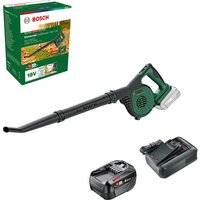
Bosch UNIVERSALLEAFBLOWER 18V-130 P4A 18v Cordless Garden Leaf and Workshop Blower 1 x 6ah Li-ion Battery Charger
Tooled Up

(grey pine, middle sofa) vidaXL Garden Middle Sofas Outdoor Sofa Sectional Sofa
onbuy.com
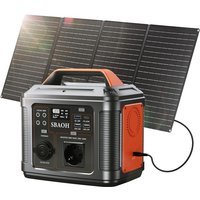
SBAOH P302 Portable Power Station with 60 W Solar Panel, 296 Wh Solar Generator with 300 W Output, Mobile Power Supply for Garden, Travel, Camping,
Gshopper