Contents (13 sections)
What is Pet Training?
Pet training involves teaching animals particular responses to specific conditions or stimuli. It aims to improve a pet's obedience, communication, and behaviour, making the pet more harmonious with human environments. According to UFC-Que Choisir, training can reduce unwanted behaviours and improve overall pet satisfaction. Positive reinforcement is a method where pets are rewarded for correct responses, creating a bond of trust and understanding. Source: Wikipedia.
How to Train Your Pet: A Step-by-Step Guide
Effective pet training can be achieved through various steps.
- Set Clear Goals: Determine what you want your pet to learn, such as basic commands like 'sit' or 'stay'.
- Choose the Right Environment: Start training in a quiet place free of distractions.
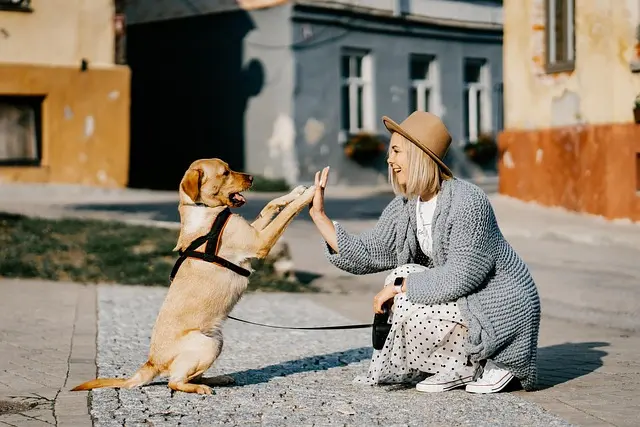
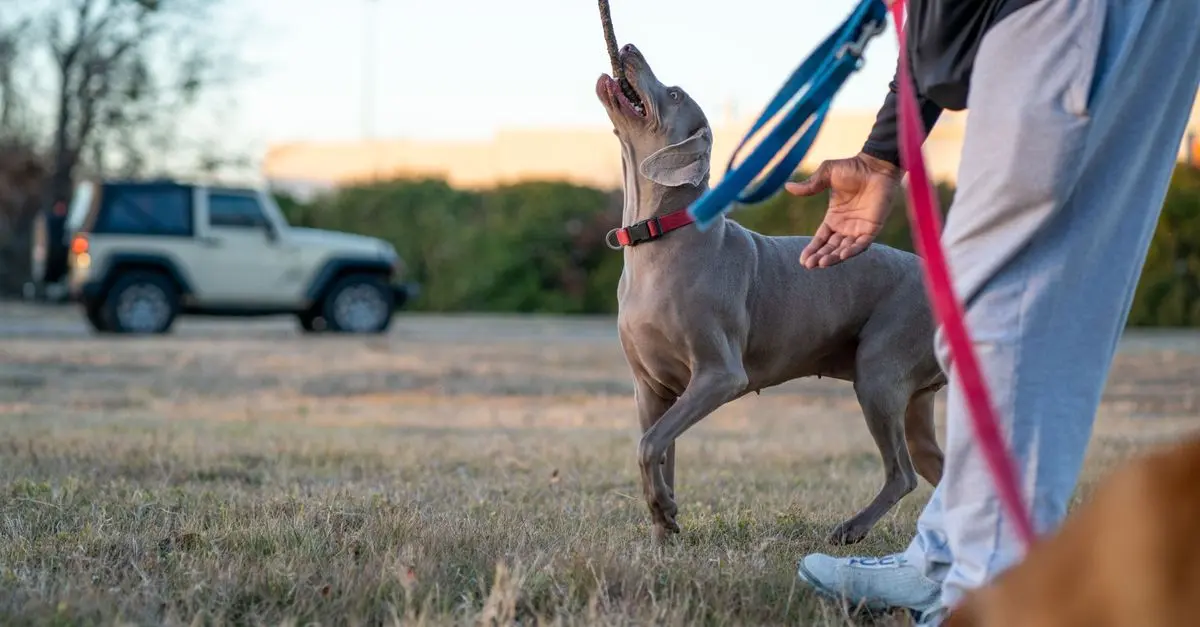
- Use Positive Reinforcement: Reward your pet with treats or praise them for desired behaviour.
- Be Consistent: Consistency is key; regular practice solidifies and reinforces learning.
- Monitor Progress: Adjust techniques if progress plateaus.
By following these steps, training becomes an enriching experience for both you and your pet.
Comparing Training Techniques
| Technique | Positive Reinforcement | Traditional | Clicker Training |
|---|---|---|---|
| Method | Rewards for correct behaviour | Physical correction | Sound cues for desired action |
| Effectiveness | High | Moderate | High |
| Suitable For | All pets | Experienced trainers | All pets |
| Verdict | Most humane and effective | Requires caution | Excellent for precision |
Positive reinforcement remains the most effective and humane method for most pets. It fosters a positive relationship, improving the pet's response to commands.
Positive Impacts of Pet Training on Health and Behaviour
According to studies from l’ADEME, regular training improves pets' mental stimulation and physical health, reducing aggression and anxiety. Dedicating just 30 minutes a day to training can lower blood cortisol levels in pets, enhancing their overall wellbeing. Well-trained pets often form better companionship, which is essential for households expecting changes, like a new family member.
💡 Avis d'expert: "Training is not about dominance but engagement. It’s an invaluable tool for improving a pet's quality of life," says Karen Pryor, an expert in behavioural training.
📺 Resource Video
> 📺 For further insight: Understanding Pet Training Techniques, a comprehensive analysis of various methods. Search on YouTube: "Understanding pet training techniques"
FAQ on Pet Training
What age should I start training my pet?
Training can start as early as 8 weeks old. Younger animals tend to learn easily and adapt quickly to new routines.
How long should each training session last?
Sessions should be short, ideally 10-15 minutes to keep your pet's attention focused.
Is there a best time of day to train pets?
Morning or early evening sessions work well as pets are alert but not overexcited from daily activities.
Can older pets benefit from training?
Yes, training can help older pets adjust to new environments and improve their quality of life.
Glossary
| Term | Definition |
|---|---|
| Positive Reinforcement | Reward-based training method increasing desired behaviour. |
| Clicker Training | A training method that uses a sound to mark correct behaviour. |
| Cortisol | Hormone released in response to stress; can be reduced through training. |
Checklist for Effective Pet Training
- [ ] Set realistic goals for training
- [ ] Choose the right training method and environment
- [ ] Use consistent commands and reinforcement
- [ ] Keep sessions short and focused
- [ ] Track and adjust based on your pet's progress
🧠 Quiz rapide: What is the most effective method for training pets?
- A) Punishment
- B) Isolation
- C) Positive Reinforcement
Réponse : C — Encouraging better behaviour through rewards.