Contents (12 sections)
Creating a pet-friendly home is essential for ensuring the comfort, safety, and happiness of our furry companions. Whether you have a playful puppy, a curious kitten, or a gentle older pet, integrating pet-friendly features into your home environment can make a remarkable difference. In this article, we explore seven essential tips to help you achieve a warm and accommodating pet-friendly home.
1. Safe Spaces for Your Pets
Creating safe spaces for your pets is crucial. Designate specific areas where they can feel secure, such as a cozy bed or a dedicated play zone. This not only helps them relax but also reduces stress, especially during the initial adjustment period in a new environment. Consider investing in pet furniture, such as scratching posts for cats or soft beds for dogs. By providing them with areas that cater to their needs, you promote their well-being and happiness.
2. Choosing Pet-Friendly Materials
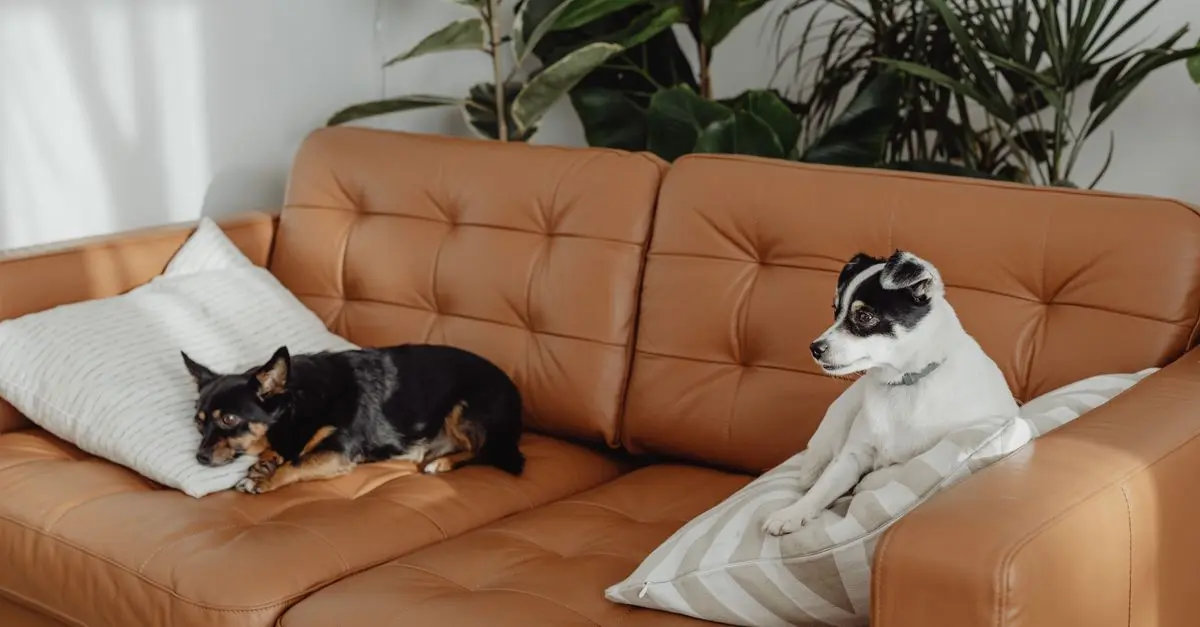
When decorating your home, opt for pet-friendly materials that are both durable and easy to clean. Materials such as microfiber, leather, and outdoor fabrics work well as they resist stains and are more likely to withstand wear and tear from pets. Additionally, avoid materials that can be toxic or harmful to pets. For instance, certain houseplants can be toxic to animals, so it's essential to research and choose non-toxic plant options to create an inviting atmosphere.
3. Incorporating Non-Toxic Plants
If you're looking to enhance your space with greenery, choose plants that are safe for pets. Popular non-toxic varieties include Spider Plants, Bamboo Palm, and Boston Ferns. Incorporating these plants not only adds beauty to your home but also contributes to your pets' health and safety. According to the ASPCA, keeping harmful plants out of your home environment is a necessary step in creating a pet-friendly atmosphere, ensuring your pets can roam freely without risk.
4. Pet-Proofing Your Home
Pet-proofing your home is an essential step in creating a pet-friendly environment. Make sure to secure hazardous materials such as cleaning supplies, chemicals, and electrical cords. You can achieve this by placing them in high cabinets or using cord protectors to prevent chewing. According to a study by VPI Pet Insurance, thousands of pets require emergency medical attention each year due to accidental ingestion of household items. Taking steps to pet-proof your home can significantly reduce such risks.
5. Designing a Pet-Friendly Garden
If you have an outdoor space, consider designing it with your pets in mind. Creating a secure garden area allows your pets to enjoy the outdoors while staying safe. Use fencing to keep them contained and select non-toxic plants to avoid any health risks. Additionally, creating shaded areas can help protect them from harsh sunlight. Investing in a pet-friendly garden not only enhances your home's aesthetics but also promotes your pets' physical activity and mental stimulation.
6. Choosing the Right Flooring
The choice of flooring can greatly impact a pet-friendly environment. Look for materials that are pet-friendly, such as vinyl, tile, or sealed hardwood, which are resistant to stains and scratches. Avoid carpet, as it can trap pet hair and odours. According to UFC-Que Choisir, the most suitable flooring options for homes with pets provide a balance of durability and comfort, ensuring a safe area for your pets to play and rest.
7. Creating a Routine for Your Pets
Establishing a daily routine for your pets can create a sense of stability. Schedule regular feeding times, walks, and play sessions to help your pets understand what to expect. Routine is particularly beneficial for dogs, as it can ease anxiety and improve behaviour. According to veterinary behaviourists, a consistent schedule can lead to happier and healthier pets, promoting their emotional well-being.
📺 Resource Video
> 📺 For further insights: How to Create a Pet-Friendly Home Environment, a detailed guide available on YouTube. Search for: creating a pet-friendly home 2026.
Checklist before Creating a Pet-Friendly Home
- [ ] Designate safe spaces for pets
- [ ] Choose pet-friendly materials and textiles
- [ ] Incorporate non-toxic plants
- [ ] Ensure home safety through thorough pet-proofing
- [ ] Plan a pet-friendly garden layout
- [ ] Select the right flooring options
- [ ] Establish a daily routine for pets
Glossary
| Term | Definition |
|---|---|
| Pet-Proofing | The process of making a home safe for pets by removing or securing hazardous items. |
| Non-Toxic Plants | Plants that are safe for pets to be around and do not cause harm if ingested. |
| Durable Flooring | Types of flooring that can withstand the wear and tear from pets while being easy to maintain. |
🧠 Quick Quiz
> What is the best flooring option for a pet-friendly home?
> - A) Carpet
> - B) Sealed Hardwood
> - C) Unsealed Bamboo
> Answer: B — Sealed hardwood is durable and easy to clean, making it ideal for homes with pets.
Creating a pet-friendly home isn't merely about adjusting your living space; it's about enhancing the lives of your pets and fostering a safe, happy, and harmonious environment for everyone. By following these essential tips, you can ensure your home accommodates your furry friends, making it the perfect sanctuary for all.