Contents (14 sections)
Creating a safe environment for your beloved pets is essential for their well-being and your peace of mind. In this article, we will explore ten key pet-friendly home safety tips that help to create a secure living space for your furry companions. Whether you have a playful dog, a curious cat, or other smaller pets, these tips will benefit all pet owners aiming to enhance safety in their homes.
1. Secure Hazardous Materials
Always store chemicals and cleaning products safely. Pets are naturally curious and can unintentionally ingest toxic substances if they are not stored properly. According to the Pet Poison Helpline, many household items such as cleaning supplies, antifreeze, and even certain plants can be poisonous. Ensure that all potentially hazardous materials are kept out of reach or locked away in high cabinets. Consider using childproof latches on cupboards, which can also work to keep pets out. When purchasing cleaning products, opt for pet-safe brands that feature natural ingredients to further reduce risks.
2. Create a Pet-Proof Space
Identify and barricade areas that are unsafe for your pet. Every pet has specific needs and behaviours. For instance, dogs may chew on furniture or wires, while cats might try to scale high shelves. Creating a safe zone, like a designated pet area with appropriate toys and blankets, can deter them from exploring dangerous areas. It’s wise to use baby gates to restrict access to certain rooms. Additionally, plugging or covering electrical cords can prevent chewing accidents, which is essential for maintaining a safe home.
3. Choose Pet-Safe Furniture
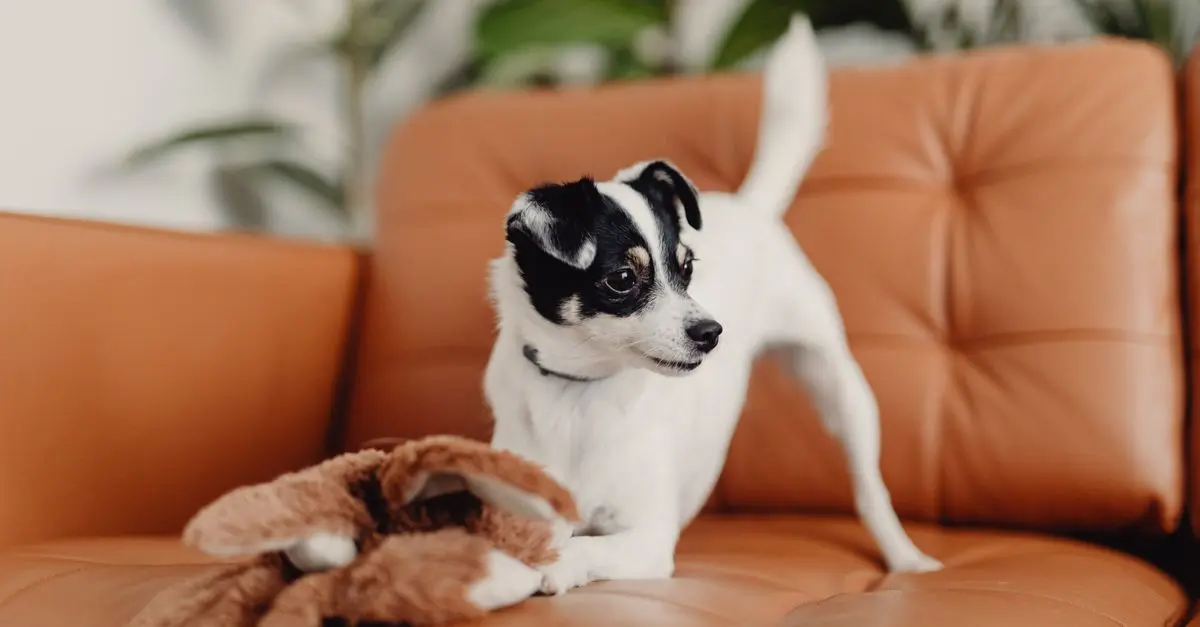
Consider your furniture selections carefully. When furnishing your pet-friendly home, select materials that are durable and resistant to damage. Microfiber or leather fabrics are often easier to clean and less likely to absorb odours. Furthermore, avoid low furniture styles that might encourage jumping or climbing that can lead to falls. Opt for raised sofas or chairs to allow your pet to lounge without risking injury. This not only protects your furniture but contributes to your pet's overall safety.
4. Install Secure Window Screens
Check that all windows are fitted with secure screens. Pets love to explore, and an open window is a perfect opportunity for them to escape or get injured. According to the RSPCA, many pets have suffered serious injuries due to falls from windows. Inspect your screens frequently for any damage and ensure they fit snugly. Additionally, use window locks to keep windows securely closed when they are not fully screened, especially on higher floors, ensuring the safety of curious cats or dogs.
5. Set Up a Safe Zone for Each Pet
Designate a specific area where your pet can feel comfortable. This can be a quiet corner with their bed, toys, and a water bowl. It’s important that pets have a safe retreat area where they can go to relax without distractions. Especially for anxious pets, this space allows them to feel secure during noisy situations like thunderstorms or home parties. Having a safe zone reduces potential stress and helps prevent behavioural problems associated with anxiety.
6. Maintain a Clutter-Free Home
Regularly clear your living space of unnecessary items. Clutter can pose numerous safety hazards for pets. Items such as small toys, cords, or loose fabrics can be ingested. Regularly declutter, ensuring that choking hazards are dealt with promptly. Using storage bins with secure lids helps keep items out of reach and tidy. Additionally, maintaining a clean space reduces the risk of accidents and promotes an overall safer environment.
7. Keep Human Food Out of Reach
Educate everyone in your household about safe food storage. Many human foods are toxic to pets, including grapes, chocolate, and onions. It’s important to ensure that all family members are aware of which foods are dangerous and do not feed their pets leftover human foods without proper knowledge. Store food in airtight containers that pets cannot access, and always dispose of trash securely. Being vigilant about food safety can prevent toxic ingestion and keep your pets healthy.
8. Choose Safe Toys and Accessories
Invest in high-quality, pet-safe toys. Not all pet toys are created equal; some can break easily, leading to choking hazards. When selecting toys, ensure they are free from harmful chemicals, splinters, or small removable parts. Look for toys made from non-toxic materials and check for any certifications of safety. Regularly inspect and replace damaged toys. Providing safe entertainment activities will keep your pets engaged and reduce the likelihood of destructive behaviours.
9. Monitor Outdoor Activities
Supervise your pets in outdoor spaces. If you have a garden or outdoor area, always supervise your pets while they are outside. This not only ensures their safety from escaping but also protects them from potential dangers such as toxic plants, sharp objects, or aggressive wildlife. Fencing should be secure, and consider installing pet barriers to prevent escapes. Make outdoor time interactive to foster a positive experience without risks.
10. Educate Yourself and Family Members
Prioritise education on pet safety. The more knowledgeable you are about common pet safety issues, the better equipped you'll be to handle them. Research local animal regulations, attend workshops on pet care, and involve family members in learning about responsible pet ownership. Encourage everyone to take responsibility in maintaining a safe environment for the pets, which will ultimately enhance the bond between pets and their families.
📺 For Further Exploration:
> To delve deeper into ensuring your home is genuinely pet-safe, check out [Pet Safety 101: Creating a Secure Home for Your Pets], a comprehensive guide on YouTube. Search for: “pet-friendly home safety tips.”
Checklist before implementing safety measures
- [ ] Secure hazardous materials out of reach.
- [ ] Create a designated safe area for pets.
- [ ] Maintain clean and clutter-free spaces.
- [ ] Provide safe toys and accessories.
- [ ] Regularly check and repair window screens.
Glossary
| Terme | Définition |
|---|---|
| Toxic Plants | Plants harmful to pets if ingested. |
| Pet-Proofing | The process of making the home safe for pets. |
| Choking Hazard | Any object or item that can obstruct a pet's airway. |
---
📺 Pour aller plus loin : pet-friendly home safety tips 2026 sur YouTube