Contents (15 sections)
Creating a pet-friendly outdoor space is essential for any pet owner who wants to ensure their furry friends are both safe and happy. An outdoor area provides valuable opportunities for exercise, mental stimulation, and enrichment for pets. However, it’s crucial to ensure that this environment is secure and conducive to your pet’s well-being. In this article, we will share ten practical tips to help you craft an enjoyable and safe outdoor space for your pets.
1. Secure Your Boundaries
One of the first steps in creating a safe pet-friendly outdoor space is securing your garden or patio boundaries. Fencing is essential to prevent your pets from escaping and encountering potential dangers such as traffic or wild animals. Ensure that the fence is tall enough, typically at least 6 feet for larger breeds, and check for any gaps or weaknesses where your pets could squeeze through. If your garden is open, consider installing a dog run or keeping your pets on a leash when outdoors.
2. Choose Safe Plants
The selection of plants in your outdoor space is crucial. Some common garden plants can be toxic to pets. For example, lilies, azaleas, and rhododendrons are poisonous to dogs and cats. Before planting, research pet-safe options, or consider creating a designated area with non-toxic plants and flowers. You can refer to resources from ASPCA that provide lists of plants safe for pets. It’s a simple, yet effective step towards creating a secure garden for your furry friends.

HPE Instant On Outdoor AP27 (RW) 1774 Mbit/s Blanc Connexion Ethernet, supportant l'alimentation via ce port (PoE)
Topbiz FR

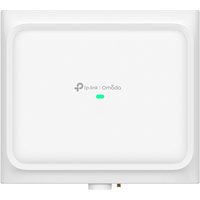
TP-Link Omada EAP772-OUTDOOR point d'accès réseaux locaux sans fil 9300 Mbit/s Blanc
Topbiz FR
3. Provide Shade and Water
Spending time outdoors can be exhausting for pets, especially on hot days. Ensure your outdoor space includes shaded areas where your pets can cool down. This could be achieved with patio umbrellas, pergolas, or shade sails. Additionally, always have fresh water available for your pets. Hydration is crucial, especially during warm weather when pets are active, reducing the risk of heat exhaustion.
4. Remove Hazards
Take the time to inspect your outdoor space for any hazards that could harm your pets. Items such as sharp tools, chemicals, and toxic substances should be safely stored away. According to the Royal Society for the Prevention of Cruelty to Animals (RSPCA), many household items pose risks to pets, including garden pesticides and fertilisers. Keeping your yard clean and free of hazardous materials not only protects your pets but also contributes to a safer environment overall.
5. Create a Pet-Friendly Zone
Designate specific zones within your outdoor area just for your pets. This could include a grassy area for them to run and play, or even a designated digging area where they can safely indulge their natural instincts. This space can be enriched with toys and activities that cater to your pet’s needs, ensuring that they stay engaged and active while outdoors. Interactive toys can be an excellent addition to keep their minds stimulated.
6. Use Pet-Friendly Materials
When choosing materials for outdoor furniture or flooring, consider pet-friendly options that can withstand wear and tear. For instance, opting for sturdy outdoor furniture made from weather-resistant materials, like teak or treated metal, can withstand pet usage. Avoid delicate fabrics that are easily damaged and choose slip-resistant surfaces to reduce the risk of accidents when wet.
Comparison of Outdoor Materials
| Material | Durability | Maintenance | Pet-Friendly |
|---|---|---|---|
| Teak | Very Durable | Low | Yes |
| Plastic | Moderately Durable | Low | Depends on Type |
| Metal | Durable | Moderate | Yes |
| Wood (Untreated) | Less Durable | High | No |
By selecting the right materials, you’re ensuring that your pet-friendly outdoor space not only looks good but also lasts.
7. Set Up an Enrichment Zone
Consider adding enrichment tools like agility courses or puzzle feeders to stimulate your pets mentally and physically. Agility courses can be a fun way for dogs to exercise, while puzzle feeders can keep them entertained for longer periods. Such activities can help prevent boredom and the destructive behaviour that often arises when pets have insufficient stimulation.
8. Regularly Inspect and Maintain
Consistency in maintenance is key to ensuring your outdoor space remains safe. Regularly check the condition of your fencing, clean any debris, and secure loose materials that could pose a risk to pets. Setting a maintenance schedule can help you stay on top of potential hazards and keep your space safe.
9. Monitor Your Pets
While it’s essential to create a safe environment, it’s equally important to supervise your pets while they are outside. Even in a secured area, accidents can happen quickly. Keeping an eye on your pets can help catch any dangerous behaviours or potential fence breaches before they escalate into serious issues. Knowing your pet's usual behaviour patterns can also aid in monitoring their well-being while they enjoy the outdoors.
10. Consult Professionals When Needed
If you’re unsure about the safety of your yard, or if you plan to make significant changes, consider consulting with a veterinarian or a professional pet behaviourist. They can provide insights into the best practices for keeping your specific type of pets safe outside. Their expertise can be invaluable in creating the best environment for your furry friends.
Conclusion
Creating a safe and enjoyable pet-friendly outdoor space requires attention to detail and a proactive approach. By following these ten tips, you’ll ensure that your pets can safely enjoy the wonders of the outdoors while also providing ample engagement opportunities.
Checklist before creating your pet-friendly outdoor space
- [ ] Secure your fencing and boundaries
- [ ] Choose and plant pet-friendly flora
- [ ] Provide ample shaded areas
- [ ] Remove any toxic substances and hazards
- [ ] Designate specific zones for pets
- [ ] Use durable, pet-friendly materials
- [ ] Set up enrichment activities
- [ ] Regularly inspect and maintain the area
- [ ] Monitor pets while outside
- [ ] Consult professionals for advice when needed
Glossary
| Term | Definition |
|---|---|
| Pet-safe plants | Plants that do not pose toxicity risks to pets, essential for outdoor gardens. |
| Agility course | A series of equipment for dogs to navigate, providing physical exercise. |
| Enrichment tools | Items designed to stimulate pets mentally, reducing boredom and destructive behaviour. |
> 📺 For more insight: Watch videos on creating pet-friendly gardens, showcasing creative ideas for your outdoor space. Search on YouTube:
pet-friendly outdoor space tips 2026.
🧠 Quick Quiz: What is the most important aspect of a pet-friendly outdoor space?
- A) Size of the area
- B) Presence of toys
- C) Safety measures
Answer: C — Safety measures are crucial for preventing accidents and ensuring pet well-being.
📺 Pour aller plus loin : pet-friendly outdoor space tips 2026 sur YouTube
Recommended products
Selected by our experts
HPE Instant On Outdoor AP27 (RW) 1774 Mbit/s Blanc Connexion Ethernet, supportant l'alimentation via ce port (PoE)
Topbiz FR
An outdoor access point can help secure your pet-friendly space with reliable coverage and connectivity.
TP-Link ER703WP-4G-Outdoor entrée et régulateur 10, 100, 1000 Mbit/s
Topbiz FR
This outdoor regulator is perfect for maintaining a safe, connected environment for your pets.
TP-Link Omada EAP772-OUTDOOR point d'accès réseaux locaux sans fil 9300 Mbit/s Blanc
Topbiz FR
Ensure a strong wireless connection in your outdoor pet-friendly space to monitor your pets effectively.