Contents (14 sections)
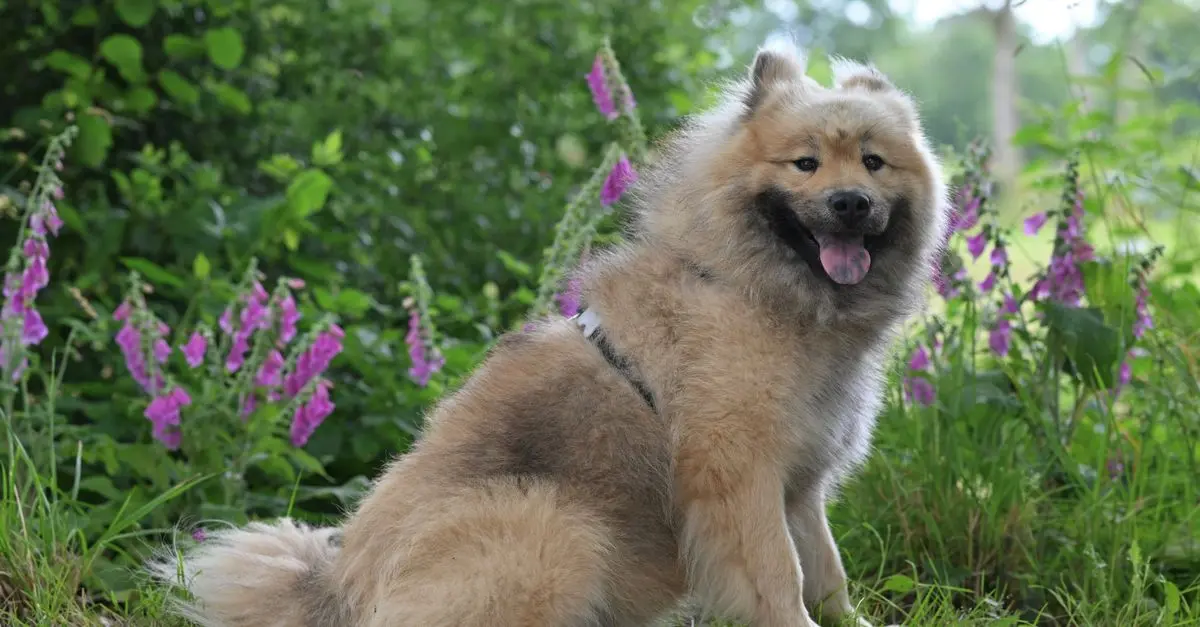
Creating a garden that harmoniously blends beauty and safety for your pets can be a rewarding challenge. With the right approach, you can cultivate an environment where your pets can thrive alongside your plant life. In this article, we explore 10 essential pet-friendly gardening tips that will ensure a vibrant outdoor space while prioritising the well-being of your animals.
1. Choose Non-Toxic Plants
One of the fundamental aspects of pet-friendly gardening is selecting non-toxic plants. According to the ASPCA, several common garden plants can be harmful to pets if ingested. For example, lilies, azaleas, and oleander can be toxic to cats and dogs alike. Instead, opt for pet-safe varieties such as herbs (like parsley and basil), marigolds, and canna lilies. This ensures that your garden remains a safe haven for your furry friends to explore freely.
2. Create a Designated Pet Area
Establishing a specific area of your garden for your pets can significantly enhance their safety. This zone should be clearly marked and filled with pet-friendly plants, toys, and maybe even a sandpit or other engaging features. By doing this, you encourage your pets to interact with the garden without wandering into potentially hazardous areas. You can use decorative stones or fencing to delineate this zone visually.


Garden Kneeler 2-in-1 Folding Gardening Padded Seat and Kneeling Stool Tool Bag
Boxed2me

3. Use Organic Pest Control
Traditional pesticides can pose severe risks to pets. Many contain harmful chemicals that can be ingested or absorbed through the skin. Instead, consider organic pest control methods. Options like neem oil, diatomaceous earth, or insecticidal soaps are effective yet safe for pets. By embracing these natural alternatives, you protect both your plants and your beloved companions from toxic exposures.
4. Install Pet-Friendly Fencing
If your pets enjoy roaming the garden, it’s crucial to install a pet-friendly fence. Not only will this keep them safe, but it can also prevent them from damaging delicate plants. Make sure the fencing is tall enough to deter jumping and secure enough to prevent digging. Consider semi-transparent materials that also enhance the aesthetic of your garden while providing visibility.
5. Offer Shade and Shelter
Much like humans, pets require comfortable areas to retreat from the sun's heat. Incorporate natural shade elements like trees or create covered areas using trellises or pergolas. Consider adding a pet-friendly shelter or even a small doghouse where your pets can escape the sun. Ensuring your pets have access to shaded areas promotes their health and well-being, especially during warmer months.
6. Maintain Safe Water Sources
Hydration is crucial for your pets, especially during hot days in the garden. Ensure there are safe, clean water sources available, ideally in shaded locations to keep the water cooler. Consider using pet-friendly water bowls that are heavy to prevent tipping and are made of non-toxic materials. Regularly check and refill the water to give your pets quick access at all times.

Gardening Kneeling Pad Memory Foam Kneeler Mat Gardeners Cushion Joint Comfort Weeding
Boxed2me

1 For The Love Of Gardening Colour Drop Planter Assorted Colours 30cm
fabfinds.co.uk

7. Keep Chemicals Out of Reach
Any chemicals, whether for gardening or household cleaning, should be stored securely to keep pets safe. Use high shelves or locked cabinets so pets cannot reach herbicides, fertilisers, or tools that could pose a risk. Understanding which substances are hazardous to your pets is vital for creating a safe gardening environment. According to the Pet Poison Helpline, even small overdoses of these substances can have serious effects.
8. Monitor Garden Time
Keeping a close eye on your pets while they’re in the garden is essential. This allows you to observe their behaviour and ensure they are not eating anything harmful or digging in a location that could lead to injuries. Spending time with them while gardening also strengthens your bond and enriches their experience. Regularly monitor chemical use or changes in plant life that could affect your pets' health.
9. Use Natural Mulch
Mulching is a beneficial gardening practice, but not all types are safe for pets. Stay away from cocoa mulch that, while great at inhibiting weeds, can be toxic due to theobromine. Instead, opt for natural materials like pine needles, straw, or untreated bark, which are safe for pets. Natural mulches also improve soil health, providing a double benefit.
10. Educate Yourself and Your Pets
Finally, educating yourself about the plants, chemicals, and gardening practices that are safe for pets is crucial. Consider attending a Zen Gardening Training Course to gain comprehensive insights into pet-friendly gardening practices. Teaching your pets to respect certain areas in the garden will also enhance their safety and yours, creating an enjoyable gardening experience for all.
📺 Resource Video
To further enrich your understanding, search for: "pet-friendly gardening tips 2026" on YouTube for a variety of guides and tutorials.
Checklist before gardening
- [ ] Choose non-toxic plants.
- [ ] Create a designated pet area.
- [ ] Use organic pest control.
- [ ] Install pet-friendly fencing.
- [ ] Offer shade and shelter.
- [ ] Maintain safe water sources.
- [ ] Keep chemicals out of reach.
- [ ] Monitor garden time.
- [ ] Use natural mulch.
- [ ] Educate yourself and your pets.
Glossary
| Terme | Définition |
|---|---|
| Non-Toxic Plants | Plants that do not pose a health risk to pets when consumed or contacted. |
| Organic Pest Control | Methods of pest control that do not use synthetic chemicals and are safe for pets. |
| Mulch | Material applied to the surface of soil to conserve moisture, improve fertility, and control weeds. |
---
📺 Pour aller plus loin : pet-friendly gardening tips 2026 sur YouTube
Recommended products
Selected by our experts
1 For The Love Of Gardening Colour Drop Planter Assorted Colours 30cm
fabfinds.co.uk

1 For The Love Of Gardening Colour Drop Planter Assorted Colours 30cm
fabfinds.co.uk
1 For The Love Of Gardening Colour Drop Planter Assorted Colours 30cm
fabfinds.co.uk

3 Piece Ergonomic Easy Grip Handled Gardening Set Trowel Fork Cultivator for Weak Poor Grip Strength Elderly
Boxed2me
1 For The Love Of Gardening Colour Drop Planter Assorted Colours 30cm
fabfinds.co.uk