Contents (15 sections)
Creating a safe environment for your beloved pets is crucial. Pets are not just companions; they are family members whose safety matters deeply to us. Ensuring pet safety at home involves understanding potential hazards and implementing measures to mitigate risks. In this article, we will explore ten essential tips to keep your furry friends safe and sound within the comfort of your home.
1. Secure Hazardous Areas
The first step in ensuring pet safety at home is to secure hazardous areas. Pets are naturally curious, and they tend to investigate every nook and cranny. Areas such as kitchens, garages, and basements can pose significant dangers due to cleaning supplies, tools, and sharp objects. Ensure cabinets are childproofed or locked, preventing your pet from accessing harmful substances. Additionally, using baby gates can help keep your pets away from particularly dangerous areas without isolating them completely.
Let's not forget about electrical cords, which can be incredibly tempting for pets. Chewing on wires can lead to severe injuries or even electrocution. Cable management solutions, such as cord covers or clips, can help keep cables out of reach and organised. Always perform regular checks around your home to ensure there are no potential hazards your pets could access.
2. Create a Pet-Friendly Space
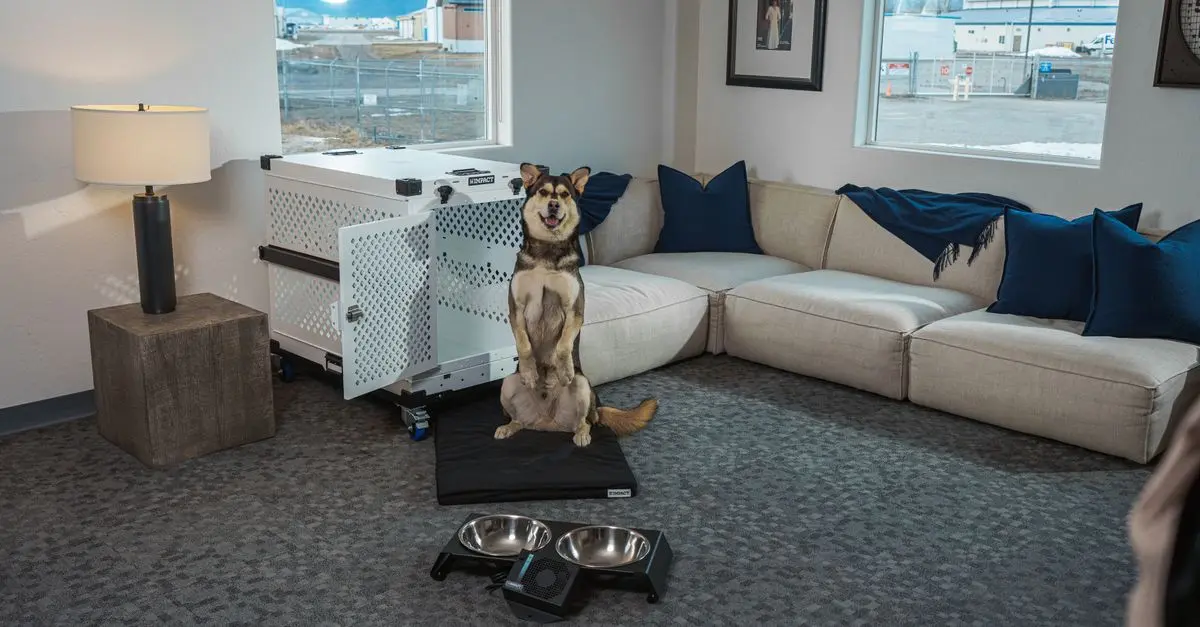
Designating specific areas of your home for your pets can significantly enhance their safety and comfort. Creating a pet-friendly space means providing them with a comfortable area where they can relax without being in harm's way. Use pet beds or soft blankets to make a designated area for your pet to retreat to when they need some downtime.
Moreover, ensure that this space is free from clutter and potential hazards such as small objects they might swallow. Consider the layout of your furniture as well - ensure there aren't any edges or sharp corners that could cause injury if they bump into them. Regularly cleaning your pet's area helps maintain hygiene and reduces the chance of illness due to ingested debris.


3. Remove Toxic Plants
Many pet owners are unaware that some common household plants can be toxic to pets. Plants such as lilies, poinsettias, and philodendrons can cause serious health issues if ingested. It's essential to do your research on houseplants and remove any toxic species from your home. If you're an avid gardener, consider adopting pet-friendly plants instead, such as spider plants or bamboo palms.
According to the ASPCA, it's vital to check their comprehensive list of toxic and non-toxic plants to ensure you're keeping your home safe for your furry companions. Moreover, educating yourself about the plants you choose can help prevent unintentional pet poisoning and ensure a safe environment.
4. Store Food Securely
Food safety is another critical aspect of pet safety at home. Pets often explore bins and counters for food, leading to potential choking hazards or ingestion of harmful substances. Make sure to store all food, including pet food, in airtight containers that are difficult for them to access. This not only keeps food fresh but also prevents your pets from gobbling up too many treats or getting into dangerous food items.
Additionally, do not underestimate the value of educating yourself on foods that are toxic to pets, such as chocolate, grapes, and raisins. Keeping snacks out of reach and in closed cabinets can protect your pets from hazardous eating habits. Remember, an ounce of prevention is worth a pound of cure.
5. Invest in Safety Products
To further safeguard your pets, consider investing in safety products tailored for them. The market offers various items designed specifically to enhance pet safety at home. For instance, pet gates, covers for electrical outlets, and safety harnesses for car travel can significantly reduce risks.
We have selected several products that enhance safety, making your home a haven for your furry friends. These items can provide peace of mind, knowing that you are doing everything you can to protect your beloved pets.
6. Regular Veterinary Check-Ups
No matter how safe your home is, regular veterinary check-ups are essential for pet health and safety. Routine check-ups can help catch any early signs of illness or injury. According to a recent study by the British Small Animal Veterinary Association, pets that receive regular veterinary care live longer and healthier lives. Make sure your pet is up to date on vaccinations and annual exams to prevent potential health issues.
Additionally, ensure your pet is spayed or neutered. This can help reduce health risks and improve behaviour in pets. Don’t hesitate to discuss any concerns with your vet; they can provide insights into keeping your pet safe and healthy.

Nothing Ear (open) Headset True Wireless Stereo (TWS) In-ear Calls/Music Bluetooth White
Back to the Office


7. Be Mindful of Open Windows and Doors
Open windows and doors can pose serious risks for pets. Curious animals may leap out to chase a bird or explore the outdoors, leading to accidents or getting lost. To prevent this, always ensure that windows are secured with screens that can withstand your pet's curiosity. If possible, opt for window locks or latches that keep them safely secure when open.
When entering or exiting your home, ensure pets do not escape inadvertently. Implementing a 'pet pause' or training them to remain calm when the door is opened can be beneficial behaviours for safety. Be vigilant, especially in high-traffic periods, to prevent any unwanted escapes.
8. Monitor Pet Behaviour
Understanding your pet's behaviour is critical for their safety. Oftentimes, pets will give indicators that something is not right. Changes in their habits, such as refusing to eat, excessive sleeping, or sudden aggression, should not be ignored. Keep an eye on how your pet interacts with their surroundings and other household members. Observing signs of stress or anxiety can help you adjust their environment for better comfort and safety.
Sometimes, seeking professional training assistance can help enhance your pets’ behaviours, making them safer around the home. Establishing a trusting relationship with your pet ensures they feel secure and safe, often reflecting in improved behaviour.
9. Secure Indoor Debris
Indoor debris can create choking hazards or cause injury to your pets. Items like loose change, small toys, and other similar debris should always be out of reach. Implement a thorough cleaning routine that involves picking up after yourself and your pets. Creating designated storage areas for toys and cleaning supplies keeps your home tidy and reduces hazards simultaneously.
A tidy home not only looks great but also contributes positively to the safety and quality of life for your pets. Encouraging organisation and cleanliness effectively reduces risks associated with loose debris.
10. Use Pet-Safe Cleaning Products
When cleaning your home, ensure you are using pet-safe cleaning products. Many cleaning agents contain chemicals that can be harmful to pets, leading to health issues if accidentally ingested or inhaled. Opt for eco-friendly cleaning solutions or those specifically designed to be safe for pets.
Additionally, when cleaning your home, ensure your pets remain in a safe area. This protects them from toxic fumes. Regular cleaning reduces allergen levels and helps maintain a clean environment for both you and your pets.
📺 For further exploration:
Learn more about pet safety and home environments. Search on YouTube: "pet safety tips 2026".
Glossary
| Term | Definition |
|---|---|
| Pet Safety | Measures and practices aimed at protecting pets from harm or injury. |
| Toxic Plants | Plants that can cause harm to pets when ingested. |
| Pet-Friendly Space | A designated area in the home designed to provide comfort and safety for pets. |
Checklist before Achieving Pet Safety at Home
- [ ] Check for hazardous areas and secure them.
- [ ] Designate a pet-friendly space.
- [ ] Remove toxic plants from the home.
- [ ] Store food securely and safely.
- [ ] Invest in safety products for your home.
- [ ] Schedule regular veterinary check-ups.
- [ ] Keep windows and doors monitored.
- [ ] Use pet-safe cleaning products.
- [ ] Regularly declutter your home of debris.
- [ ] Observe your pet's behaviour for any changes.
🧠 Quick Quiz:
> What is one common household item that poses a risk to pets?
> - A) A sofa
> - B) A cleaning product
> - C) A pet bed
> Answer: B — Cleaning products are often toxic to pets and should be stored securely.
📺 Pour aller plus loin : pet safety tips 2026 sur YouTube
Recommended products
Selected by our experts


Hemway Wall Paint Bright Teal Turquoise Matt Emulsion Interior Acrylic Latex
hemway.com