
Contents (14 sections)
Creating a pet-friendly workplace can foster a positive environment, enhance employee satisfaction, and lead to increased productivity. The presence of pets not only adds a sense of comfort but also reduces stress and promotes social interaction among colleagues. To ensure a harmonious coexistence between pets and employees, it's crucial to implement practical and thoughtful strategies. In this article, we will explore ten essential tips for creating a pet-friendly workplace that addresses safety, legal considerations, and the well-being of all involved.
1. Assess the Space
Before integrating pets into your workplace, it's vital to assess your space thoroughly. Consider the layout, accessibility to exits, and areas where pets can roam safely. Spaces should be minimised where accidents could occur, such as near heavy machinery or high-traffic areas. Creating designated pet zones can help manage where animals are allowed and ensure they feel comfortable in their surroundings. For instance, a cosy corner with comfortable bedding can serve as a resting place for pets, while keeping them out of more hectic areas of the workspace.
2. Establish Clear Policies
Developing a robust pet policy is essential for a smooth transition to a pet-friendly workplace. This policy should outline parameters such as which animals are allowed, rules about leashing and supervision, and what happens in the case of health or behaviour issues. It’s advisable to include feedback from employees in drafting these policies to ensure they address the concerns and preferences of those who will be directly impacted. Furthermore, having clear guidelines in place helps mitigate any misunderstandings or conflicts.

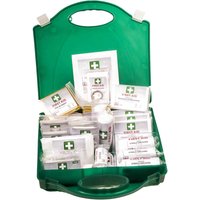
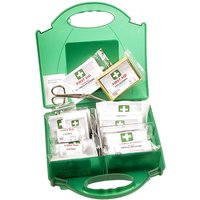
Reliance Medical BS 8599-1 Workplace First Aid Kit – Compliant Emergency First Aid Kit
vivomed.com
3. Consider Allergies and Phobias
While many employees may appreciate the presence of pets in the workplace, it's important to be sensitive to those with allergies or phobias. Consulting with all staff and seeking their input before instituting a pet-friendly policy is crucial. For instance, you could create a ‘pet-free’ zone in the office for those who may be uncomfortable around pets. Maintaining open communication will ensure that everyone’s needs are acknowledged and accommodated.
4. Provide Proper Training
Prioritising pet behaviour training not only helps with integration but also ensures a safer environment for all. Training sessions for both pets and employees can focus on basic commands, socialisation skills, and health safety practices. For example, training can include how to correctly introduce pets to each other, which can reduce anxiety and altercations in the workplace. Moreover, having educated staff can foster a culture of responsibility towards a pet-friendly environment.
5. Create Safety Measures
Ensuring a safe environment is paramount when introducing pets to the workplace. Remove any dangerous items that pets could potentially ingest or become entangled with, such as loose cables, small objects, or toxic plants. Additionally, consider implementing safety measures like pet gates or barriers to restrict access to potentially hazardous areas, such as kitchens or storage spaces. Ensuring that first aid supplies are readily available, specifically for pets, adds an extra layer of protection.
6. Designate Pet Areas
Designating specific areas for pets allows them to enjoy their time at work while minimising disruptions. For instance, an area with comfortable bedding, toys, and water bowls is ideal for pets to relax without becoming a distraction. You may also want to consider incorporating outdoor spaces for pets to take breaks and relieve themselves, which benefits both pets and employees alike. These areas should be regularly maintained to ensure they remain clean and welcoming.


Reliance Medical BS 8599-1 Workplace First Aid Kit – Compliant Emergency First Aid Kit
vivomed.com
7. Foster Employee Responsibility
When encouraging a pet-friendly culture, it’s essential to instil a sense of responsibility among employees toward their pets and the workplace environment. Employees should be reminded to clean up after their pets and ensure they are well-behaved while in the workspace. Regular reminders about the importance of attending to pet needs can reinforce this responsibility. Consider creating a system for reporting any issues or concerns related to pet behaviour to encourage accountability.
8. Promote Health and Hygiene
Maintaining health and hygiene within a pet-friendly workplace is crucial. Encourage employees to provide updated vaccinations and proper health checks for their pets. Implement regular clean-up routines to ensure common areas remain tidy and free from allergens. Additionally, keeping pet-friendly cleaning products on hand can help manage cleanliness without compromising the health of the pets or employees. According to a recent survey, workplaces that prioritise hygiene see a 15% decrease in illness-related absenteeism.
9. Encourage Interaction and Engagement
Fostering a sense of community around pets can enhance employee relationships. Hold regular “pet days” or social events where employees can bring their pets and interact with one another. This not only allows employees to unwind and socialise but also creates shared experiences around the pets in the office. Furthermore, consider setting up a platform where employees can share stories or photos of their pets to strengthen bonds amongst team members.
10. Evaluate and Adapt
Finally, creating a pet-friendly workplace is an ongoing process. Regularly evaluate the effectiveness of the implemented policies and gather feedback from employees about their experiences. Adapt and make necessary changes to improve the environment for both pets and employees continually. This could include amendments to policies or adjustments in designated areas, ensuring that the workplace remains enjoyable and accommodating for everyone involved.
Checklist before Implementation
- [ ] Assess the workspace thoroughly for safety.
- [ ] Establish clear pet policies.
- [ ] Consider allergies and phobias amongst employees.
- [ ] Provide training for employees and pets.
- [ ] Create safety measures and remove hazardous items.
- [ ] Designate pet-friendly areas.
- [ ] Foster a sense of responsibility among staff.
- [ ] Promote health and hygiene standards.
- [ ] Encourage community engagement through events.
- [ ] Regularly evaluate and adapt policies based on feedback.
📺 Resources Video
📺 For further insights: Learn how to create a successful pet-friendly workplace, a detailed analysis of effective strategies. Search on YouTube: best pet-friendly workplace ideas 2026.
Glossary
| Terme | Définition |
|---|---|
| Pet Policy | Document définissant les conditions spécifiques pour la présence d'animaux dans un espace de travail. |
| Safety Measures | Pratiques ou équipements mis en place pour garantir la sécurité des animaux et des employés dans le lieu de travail. |
| Designated Areas | Zones spécifiques dans un environnement de travail où les animaux sont autorisés, souvent équipées pour leur confort et sécurité. |
---
📺 Pour aller plus loin : best pet-friendly workplace ideas 2026 sur YouTube
Recommended products
Selected by our experts

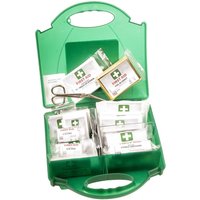
Reliance Medical BS 8599-1 Workplace First Aid Kit – Compliant Emergency First Aid Kit
vivomed.com

Reliance Medical BS 8599-1 Workplace First Aid Kit – Compliant Emergency First Aid Kit
vivomed.com