Contents (13 sections)
Creating a pet-friendly home environment is crucial for pet owners who want to ensure the comfort and safety of their furry companions. In this guide, we will explore essential strategies and tips to design a welcoming space that meets the unique needs of your pets. Whether you're a seasoned pet owner or welcoming a new addition to your family, these insights will help you create a space that is both functional and inviting.
1. Understand Your Pet's Needs
Before making changes to your home, it’s essential to understand the specific needs of your pets. Dogs and cats may require different forms of stimulation, comfort, and safety. For instance, larger dog breeds may need ample space to move around comfortably, while cats often benefit from vertical spaces to climb and perch.
Identifying aspects such as your pet's size, energy level, and behaviour will guide the modifications you make in your home. According to research by the PDSA, over 50% of pet owners do not tailor their living spaces to suit their pets' needs, potentially leading to behavioural issues. Creating spaces that cater to their instincts will promote their physical and mental well-being.
2. Use Pet-Safe Materials
Selecting the right materials for your furniture and flooring is vital in crafting a pet-friendly home environment. Opt for materials that are durable, easy to clean, and non-toxic. For instance, instead of delicate fabrics, consider using leather or tightly woven upholstery which can better withstand scratches and spills.
Additionally, choose floor coverings like tile or wood rather than carpet, as they are easier to clean and do not trap pet hair or odours. Moreover, ensure that any paints or finishes are non-toxic to prevent any health hazards for your pets. Regular cleaning can also help maintain a healthy environment, reducing allergens that may affect both you and your pets.

Health and Safety in a Construction Environment Level 1 Official Invigilated Exam - Leading to CSCS Green Card
Learning 24/7

Tripp Lite B127M-101-H HDMI over Cat6 Extender Kit for Medical Environments, 4K @ 60 Hz, HDR, 4:4:4, PoC, 230 ft., TAA
Back to the Office

3. Secure Your Home
Safety is paramount in a pet-friendly home environment. Ensure that all hazardous substances, such as cleaners and chemicals, are stored out of your pet's reach. Install safety latches on cabinets where harmful items may be stored. Keeping electrical cords hidden and secured can prevent any accidents caused by chewing.
Create a pet-proof zone, especially for puppy-proofing – this may involve using barriers for stairs or rooms that are not pet-friendly. Make sure to cover any exposed wires and windows, especially if you live in a high-rise. Pets can sometimes exhibit unpredictable behaviours, so taking these precautions helps to avoid avoidable injuries or accidents.
4. Designate Pet Areas
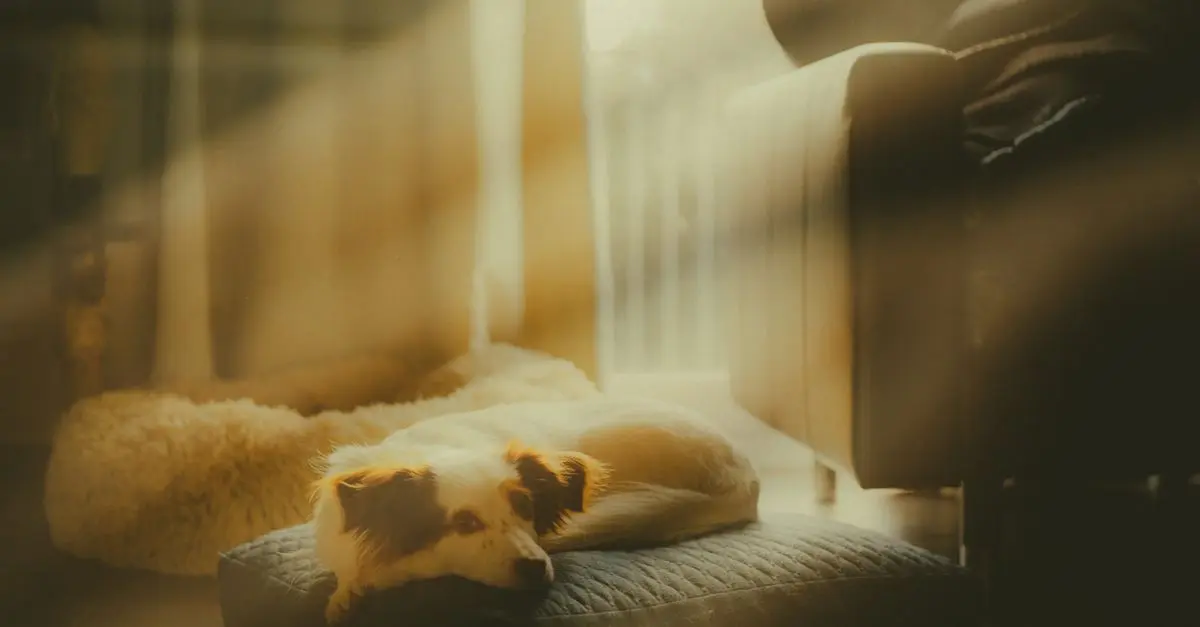
Having specific areas for your pets can help with organisation and cleanliness. Designate a space for feeding, sleeping, and playtime. For example, place pet beds in quiet areas away from foot traffic, creating a safe haven for them to retreat. Feeding areas should be easily cleanable and towel-dried for spillage.
Incorporate pet-specific furniture, such as scratching posts for cats or toys for dogs, within their designated space. This encourages pets to lounge and play in their zones rather than on the furniture or high-traffic areas, helping to maintain a tidy home while giving them a sense of belonging.
5. Choose Appropriate Pet Furniture
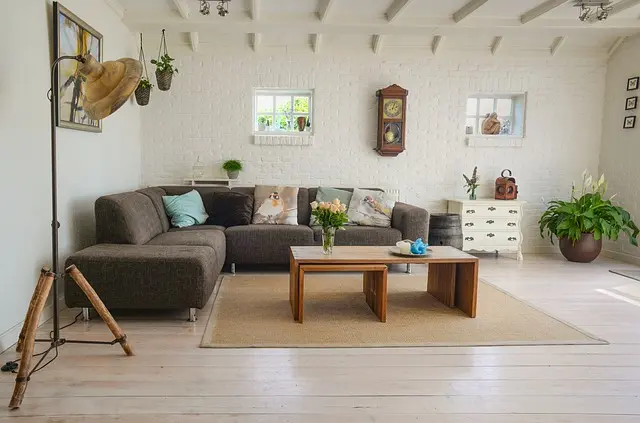
Consider investing in pet furniture that is both stylish and functional. This can include pet beds, blankets, or even furniture that doubles as storage for toys and supplies. A well-designed pet area enhances your home’s aesthetic, making it a reflection of your style while catering to your pet's comfort.
Some furniture items are designed to fit seamlessly with your decor, such as pet-friendly sofas and stylish beds. These choices ensure that your home remains inviting while also offering the necessary comfort for your pets. There are many aesthetically pleasing options on the market that don’t compromise on comfort.
6. Ensure Adequate Ventilation
Good air quality is essential for both pets and humans. Ensure your home is well-ventilated to reduce any pet odours and allergens. Open windows regularly and consider using air purifiers fitted with HEPA filters to trap pet dander, hair, and dust, thus improving air quality significantly.
Furthermore, avoid using air fresheners that can release harmful chemicals and potentially affect your pet’s respiratory health. Instead, consider natural alternatives, like essential oil diffusers, without harmful compounds, to keep the air fresh. This is especially important in smaller living spaces where air circulation may be limited.

Preparation for the CITB Health, Safety & Environment Test Video-Based CPD Certified Online Course
Learning 24/7

Health and Safety in a Construction Environment Level 1 (Leading to CSCS Green Card) with Official Exam
Learning 24/7

Fellowes Anti Fatigue Mat - Everyday Ergonomic Sit Stand Desk Mat for Use in Work or the Home Environment
Back to the Office
7. Incorporate Safe Plants
Many common household plants can be toxic to animals. It’s crucial to research and incorporate plants that are pet-friendly into your home. Examples of non-toxic plants include spider plants, bamboo palm, and Boston ferns. These not only beautify your space but also purify air quality without jeopardising your pets’ health.
To help maintain a safe environment, ensure any potentially harmful plants are kept well out of reach. Maintain knowledge of pet-safe plants to include in your decor and check often to replace them as needed. This proactive approach will give you peace of mind while maintaining a lively atmosphere.
8. Regularly Maintain a Clean Space
Maintaining cleanliness can significantly affect both your pets’ health and your home’s atmosphere. Regular cleaning of pet areas, including washing beds, toys, and eating bowls will help reduce bacteria and odour build-up. Build a routine that incorporates vacuuming pet hair, cleaning up stains promptly, and preventing fleas or ticks with regular treatment.
Setting up a regular cleaning schedule that involves both deep cleaning and daily maintenance can keep your home fresh. This habit will also reduce the risk of allergies for family members and the likelihood of infestations, thereby maintaining an inviting atmosphere.
9. Create a Playful Environment
Incorporating areas for exercise and play can make your home enjoyable for your pets. Setting up safe outdoor spaces for them to explore, as well as having interactive toys available indoors, promotes physical activity which is important for their wellbeing.
Consider purchasing items like challenging toys, climbing structures, or engaging games that encourage mental stimulation and exercise. Your pets will appreciate the attention and care put into creating a playful home, ensuring their happiness and mental health.
10. Evaluate Periodically
Once you’ve set up your pet-friendly home environment, it’s important to periodically evaluate its effectiveness. Assess if your pets are using the areas as intended and if any adjustments need to be made. Your pets' needs may evolve with age, health, or behaviour changes, possibly requiring updates to your living space.
Make it a routine to revisit and modify areas designated for your pets, updating as necessary based on their lifestyle changes. This ongoing commitment ensures your home remains functional and a safe haven for your furry friends.
Checklist before creating a pet-friendly home
- [ ] Understand your pet's specific needs.
- [ ] Use non-toxic, pet-safe materials for furniture.
- [ ] Secure cabinets and cords.
- [ ] Designate feeding, sleeping and play areas.
- [ ] Choose appropriate pet furniture for comfort.
- [ ] Ensure your home has good ventilation.
- [ ] Incorporate pet-safe plants.
- [ ] Regularly clean the space.
- [ ] Create engaging play areas.
- [ ] Review pet areas periodically.
Glossaire
| Terme | Définition |
|---|---|
| Pet-proofing | Le processus de sécurisation de l'environnement domestique contre les dangers potentiels pour les animaux de compagnie. |
| Non-Toxic Materials | Matériaux sans danger pour les animaux, évitant les substances chimiques nocives. |
| Pet-Friendly Plants | Plantes sans danger pour les animaux, ne provoquant pas de toxicité en cas d'ingestion. |
> 📺 Pour aller plus loin : Une analyse complète des façons de transformer votre maison en un environnement accueillant pour vos animaux de compagnie. Recherchez sur YouTube : "pet-friendly home ideas 2026".
📺 Pour aller plus loin : pet-friendly home ideas 2026 sur YouTube
Recommended products
Selected by our experts


APC AP9641 Smart-UPS Network Management Card (gen3) with environmental monitoring
Quzo UK

Fellowes Anti Fatigue Mat - Everyday Ergonomic Sit Stand Desk Mat for Use in Work or the Home Environment
Quzo UK

New products shenzhen environmental material powerbank 2 in 1 rechargeable power bank 1000mah mini power bank
Alibaba UK