Contents (13 sections)
Creating a safe and comfortable environment for our pets is vital for their well-being and our peace of mind. As devoted pet owners, many of us want to ensure that our homes are not just livable for ourselves, but also safe for our furry, feathered, or scaly companions. This article presents 10 essential tips for a safe pet-friendly home, ensuring your beloved pets can thrive without unnecessary hazards.
1. Secure Toxic Substances
Pets are naturally curious and often get into anything that piques their interest. It's crucial to secure toxic substances, including cleaning products, medications, and certain foods, which can be dangerous if ingested. According to the ASPCA, the most common pet poisonings often involve household items like antifreeze, chocolate, and certain plants. To prevent these incidents, keep all chemicals in high cabinets and utilise child-proof locks. Regularly check your home for any newly purchased items that might pose risks to your pets.
2. Create Safe Spaces
Every pet needs a safe haven—a quiet, comfortable space where they can retreat when feeling anxious or overwhelmed. This space should be well-defined and equipped with their bed, toys, and perhaps a blanket that smells like you. Create a calming environment by avoiding loud noises in this area and ensuring it is free from foot traffic. The Humane Society recommends that these spaces must also be devoid of any choking hazards, so avoid leaving small items around.


3. Install Pet Gates
Pet gates are an essential investment for any pet owner, particularly in homes with multiple animals or children. These barriers can prevent pets from accessing areas that are unsafe for them, such as staircases or certain rooms. A study by PetMD indicates that many injuries in pets occur from falls or accessing harmful areas in the home. Choose adjustable gates to fit various door frames and assure your pets' safety without confining them too harshly.
4. Use Non-Slip Rugs
With a significant number of pet injuries caused by slipping and falling, it is wise to invest in non-slip rugs. Many pets can struggle on tiled or hardwood floors, particularly older animals or those recovering from surgery. Non-slip rugs provide grip and comfort, reducing the likelihood of injuries. Furthermore, these rugs can also enhance the aesthetic of your home, combining safety with style. Look for options specifically designed to resist pet hair and withstand the wear and tear of pet life.
5. Designate 'Pet-Free' Zones
While it’s wonderful to have pets in the home, there might be areas where it’s best to keep them out, such as the kitchen or nursery. Establishing designated 'pet-free' zones can protect both your pets and certain family members. Use baby gates or doors to enforce these boundaries, and remember to train your pets on where they are allowed. Consistent reinforcement is key in helping them understand their limits within your home environment.
6. Keep Cables Out of Reach
Electronics are a regular part of modern life, and with them come cords and cables that can pose a choking hazard or risk of electrical shock. According to a veterinary survey, this is a common danger to pets, especially puppies and kittens who love to chew. To mitigate risks, use cable covers or clips to secure cords and keep them out of sight. Evaluate your home regularly for any new cords introduced and ensure they are safe from little teeth.
7. Opt for Pet-Safe Plants
Many common houseplants can be toxic to pets, leading to serious health concerns. Plants like lilies, azaleas, and pothos can cause digestive issues or even organ failure if ingested. Instead, opt for pet-safe plants such as spider plants, Boston ferns, or Areca palms. The ASPCA provides an extensive list of plants safe for pets, helping you to cultivate a green space that is both beautiful and safe for your furry friends.
8. Monitor Food and Treats
Being cautious about your pets' diets is crucial. Foods that are safe for humans, like grapes, onions, and chocolate, can be toxic to pets. Always check labels carefully and keep any potential hazards out of their reach. Furthermore, consider using interactive feeding toys to engage your pets mentally and physically while eating. This strategy not only keeps them entertained but slows down their eating, supporting better digestion.
9. Pet-Proof Your Furniture
Furniture can be a playground for pets, but it’s wise to select pet-proof options designed to withstand their antics. Leather and tightly woven fabrics resist stains and wear better than others. Furthermore, consider adding protective covers that can be easily removed and washed. Protecting your furniture can enhance the longevity and aesthetics of your space while allowing your pets to freely enjoy their environment.
10. Regularly Update Safety Gear
Ensuring that your pet wears identification gear, such as collars with tags containing updated contact information, is critical. Regularly check that the collar fits snugly and isn't too loose or too tight. Additionally, keep updated photos of your pets in case they go missing. Microchipping is another safe measure to secure your pet’s return should they wander off. Organisations like The Kennel Club provide resources for safe identification and recovery of lost pets.
Glossary
| Terme | Définition |
|---|---|
| Toxicity | La capacité d'une substance à provoquer des effets nocifs chez un organisme vivant. |
| Pet-Proofing | L'ensemble des mesures prises pour rendre un environnement sûr pour les animaux de compagnie. |
| Non-slip | Propriété d'une surface qui empêche de glisser pour assurer la sécurité des utilisateurs. |
Checklist avant achat
- [ ] S'assurer que les produits chimiques sont hors de portée.
- [ ] Créer un espace sûr pour votre animal.
- [ ] Installer des barrières pour limiter l'accès.
- [ ] Sécuriser les câbles d'électricité.
- [ ] Choisir des plantes non toxiques.
🧠 Quiz rapide : Quels éléments sont essentiels pour un maison conviviale pour les animaux ?
- A) Des produits chimiques à portée de main.
- B) Des espaces sûrs et des barrières.
- C) Des aliments toxiques.
Réponse : B — Pour créer un environnement sûr pour vos animaux, il est essentiel d'avoir des espaces protégés et des barrières.
📺 Pour aller plus loin : [Comment faire de votre maison un havre pour vos animaux ?], une analyse complète de la sécurité des animaux domestiques. Recherchez sur YouTube : "sécurité d'animal de compagnie 2026".
📺 Pour aller plus loin : pet safety at home 2026 sur YouTube
Recommended products
Selected by our experts
Safety 1St Protection Sécurité Doigts 1ut
DocMorris FR (ex DoctiPharma FR)
This safety device helps prevent injury from door mechanisms, keeping little paws safe.
Alpine Worksafe Bouch Or Rou 2
DocMorris FR (ex DoctiPharma FR)
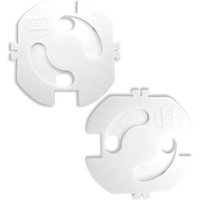
These outlet covers ensure pets cannot access electrical outlets, reducing hazards.
Couvercle Saro Prises de courant Safety 5 U
DocMorris FR (ex DoctiPharma FR)
Plug covers are essential for pet-proofing your home and ensuring safety from electric shocks.