Contents (14 sections)
Creating a pet-friendly garden is essential for those who love their furry companions. Not only does it ensure their safety, but it also enhances their experience outdoors. A well-designed garden caters to the needs of pets while maintaining an aesthetic appeal for their owners. Many pets, particularly dogs and cats, enjoy exploring outdoor spaces, digging, and playing, making it crucial to provide a secure environment. Key considerations include choosing pet-safe plants, creating enclosed spaces, and ensuring adequate shade and hydration.
1. Choose Pet-Safe Plants
When designing a pet-friendly garden, selecting the right plants is vital. Some common garden plants can be toxic to pets, leading to health issues if ingested. Examples of pet-safe choices include marigolds, sunflowers, and snapdragons. By opting for non-toxic varieties, you can ensure that your pets can roam freely without the risk of poison. Be sure to research plants thoroughly before incorporating them into your garden, and consider using resources like the ASPCA’s poison control list to check for plant toxicity.
2. Create a Secure Fenced Area
Having a secure fenced area is fundamental to keeping your pets safe in the garden. A well-constructed fence prevents your pets from escaping and protects them from external dangers, including stray animals and vehicles. Ensure that the fence is tall enough to deter jumping and buried deep enough to prevent digging. Regularly inspect for gaps or weak spots, as pets are unpredictable and may find ways to escape. Fencing not only creates a safe space but allows your pets to explore their environment freely, contributing to their overall well-being.
Bosch UNIVERSALLEAFBLOWER 18V-130 P4A 18v Cordless Garden Leaf and Workshop Blower No Batteries No Battery Charger
Tooled Up

Gardening Kneeling Pad Memory Foam Kneeler Mat Gardeners Cushion Joint Comfort Weeding
Boxed2me

Solartech Premium Garden Building Solar Lighting Kit 5 - Suitable for Gazebos up to 5m x 4m (16' x 14')
Shedstore
3. Designate Specific Areas for Digging
Dogs, in particular, love to dig—it's a natural behaviour. Instead of trying to eliminate this instinct, consider creating a designated digging area. This can be a specific spot filled with soft soil or sand, allowing your pets to indulge their digging desires without destroying your garden’s plants. You can enhance this area by burying toys or treats to encourage your pets to use it. This approach not only protects your garden but also provides a fun outlet for your pets’ energy.
4. Provide Plenty of Shade and Water
Pets can become overheated and dehydrated quickly, especially on warm days. When designing your garden, incorporate shaded areas using trees, bushes, or structures like pergolas. Additionally, consider placing water stations around the garden to encourage hydration. Regularly check that your pet has access to fresh water, particularly during hot weather. Ensuring your pets have safe, shaded spots to retreat to will keep them cool and comfortable while they explore.
5. Avoid Using Harmful Chemicals
Utilising pesticides and herbicides can pose serious health risks to pets. Many common gardening chemicals are toxic when ingested or absorbed through the skin. Instead, opt for organic gardening methods, using natural repellents and fertilizers that do not harm pets. Companion planting can also deter pests naturally while keeping your garden pet-friendly. By avoiding harmful chemicals, you safeguard your pets’ health and the surrounding environment, making your garden a safe haven.
6. Create Safe Walkways
Designing safe walkways can enhance the usability of your pet-friendly garden. Paths made from smooth stones or mulch can prevent slips and provide a defined route for your pets to navigate. Avoid using materials that can get too hot, like certain types of concrete or metal, which can hurt their paws. Clear pathways also ensure that pets can roam safely without trampling over plants which can lead to injuries or unwanted digging.

Kikidex (As show, One size) Leaf Blower for Vacuum Cleaner, Vacuum Cleaner Bag, Garden L
onbuy.com

China mini outdoor garden portable barrel bluetooth speaker for backpack with wireless charging
Alibaba UK
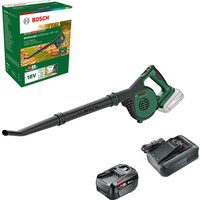
Bosch UNIVERSALLEAFBLOWER 18V-130 P4A 18v Cordless Garden Leaf and Workshop Blower 1 x 4ah Li-ion Battery Charger
Tooled Up
7. Provide Enrichment and Play Areas
Incorporating enrichment features in your garden can significantly enhance your pets’ outdoor experience. Pet-friendly garden features can include agility courses, tunnels, or climbing structures. These not only provide physical exercise but also mentally stimulate your pets. Interactive play equipment encourages creativity and can help prevent behavioural issues stemming from boredom. Consider your pets’ preferences when designing these areas to ensure they appeal to their natural instincts.
8. Maintain a Clean Environment
Keeping your garden clean is essential for both pet health and overall garden aesthetics. Regularly pick up pet waste to prevent the spread of bacteria and parasites which can affect both pets and plants. Additionally, clearing away fallen leaves or debris can prevent unwanted pests from taking up residence in your garden. A clean garden is not only visually pleasing but provides a healthier environment for your pets.
9. Use Natural Barriers for Safety
If you have areas in your garden that you want to keep off-limits for your pets—such as ponds or delicate flower beds—consider using natural barriers like low shrubs or decorative rocks. These can visually indicate boundaries without creating feeling enclosed or isolated. Ensure that these barriers are safe and won’t harm your pets if they accidentally bump into them.
10. Regular Assessments and Adaptations
Over time, your pets' behaviour and preferences may change, requiring you to reassess the design of your pet-friendly garden. Regular evaluations help to identify any potential hazards that might have developed, such as new foundations for climbing or unsafe plants that may have been introduced. Adapt your garden as needed to ensure it remains a safe and enjoyable space for your pets. Keeping your garden evolving can make it a stimulating environment that grows with your pets.
Checklist before Creating Your Pet-Friendly Garden
- [ ] Choose pet-safe plants and flowers
- [ ] Create secure fencing around your garden
- [ ] Designate a digging area for your pets
- [ ] Provide shade and ensure water availability
- [ ] Avoid harmful chemicals or pesticides
- [ ] Design clear and safe walkways
- [ ] Incorporate enrichment features for play
- [ ] Maintain a clean environment regularly
- [ ] Use natural barriers for protection
- [ ] Conduct regular assessments of the garden
Glossary
| Terme | Définition |
|---|---|
| Toxic Plants | Plants that can cause harm to pets when ingested. |
| Enrichment | Activities or structures that provide mental or physical stimulation for pets. |
| Barrier | Any physical feature used to prevent access to certain areas of the garden. |
📺 Ressource Vidéo
> 📺 To delve deeper: How to design a pet-friendly garden, for practical tips and insights. Search on YouTube: pet-friendly garden design tips 2026.
📺 Pour aller plus loin : pet-friendly garden design tips 2026 sur YouTube
Recommended products
Selected by our experts

Orsina 2 Seat Rope Sofa, Rope Garden Sofa, Easy to Clean Grey Outdoor Sofa, Back & Armrest Rope Sofa Grey
debenhams.com


Solartech Premium Garden Building Solar Lighting Kit 8 - Suitable for Buildings upto 4m x 4m (14' x 14')
Shedstore
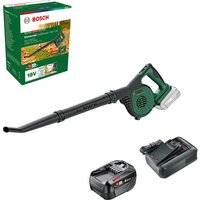
Bosch UNIVERSALLEAFBLOWER 18V-130 P4A 18v Cordless Garden Leaf and Workshop Blower 1 x 6ah Li-ion Battery Charger
Tooled Up

(grey pine, middle sofa) vidaXL Garden Middle Sofas Outdoor Sofa Sectional Sofa
onbuy.com
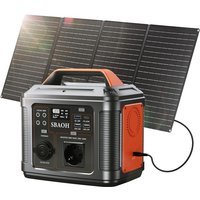
SBAOH P302 Portable Power Station with 60 W Solar Panel, 296 Wh Solar Generator with 300 W Output, Mobile Power Supply for Garden, Travel, Camping,
Gshopper