Contents (14 sections)
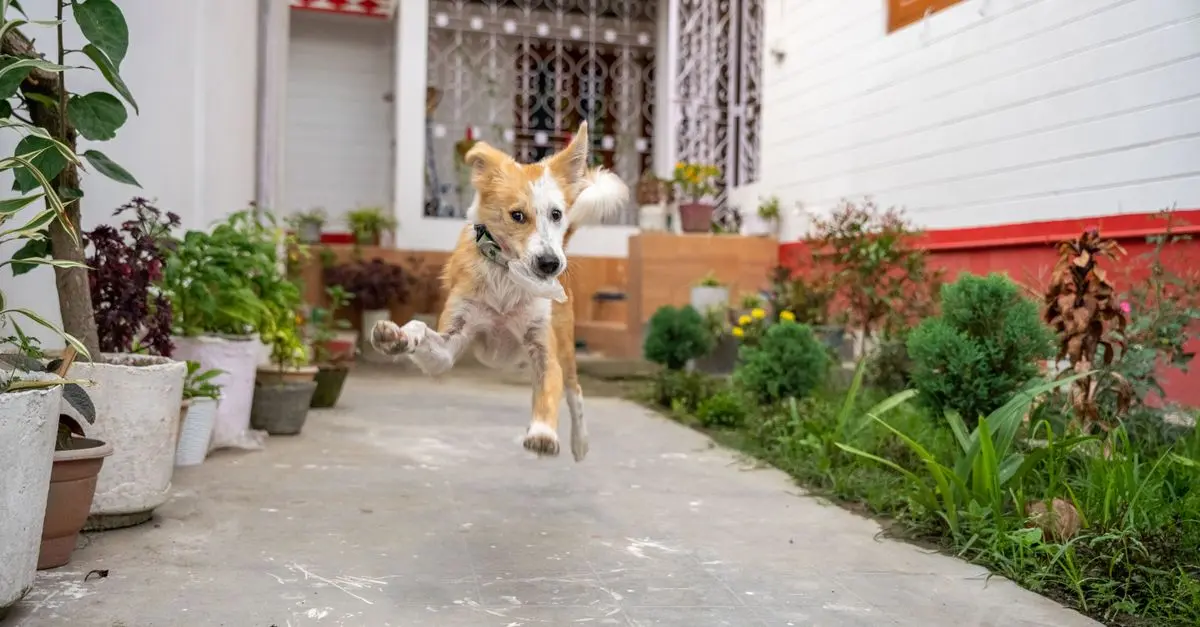
Creating a pet-friendly garden is essential for pet owners who want to ensure their furry friends can enjoy the outdoors safely. This guide will explore 10 essential tips that not only secure your garden but also promote a thriving outdoor space for both you and your pets. From selecting the right plants to constructing appropriate boundaries, these tips will help you create a safe haven for your pets to play and explore without worry.
1. Choose Pet-Safe Plants
One of the most crucial aspects of a pet-friendly garden is choosing plants that are safe for your pets. Many popular garden plants can be toxic to animals, such as lilies, rhododendrons, and azaleas. Instead, opt for non-toxic plants like marigolds, petunias, or basil. It's also wise to regularly research any new plants before adding them to your garden. For pet owners, being proactive about plant selection can prevent trips to the vet and provide peace of mind as pets explore their garden.
2. Secure Your Garden with Fencing
A secure perimeter is vital for keeping your pets safe. Ensure that your garden is well-fenced to prevent them from escaping or encountering any dangers. Ideally, your fence should be at least 6 feet high, as many dogs are agile jumpers. Consider a solid fence rather than a picket style, as this provides better protection and discourages digging from below. In addition, check for any gaps or weak points regularly, as even small openings can be an escape route for adventurous pets.


Kikidex (As show, One size) Leaf Blower for Vacuum Cleaner, Vacuum Cleaner Bag, Garden L
onbuy.com
3. Designate a Safe Play Area
Creating a specific area within your garden for your pets to play allows them to have a designated place where they can romp around without getting into trouble. This area can be equipped with safe toys, shaded spots, or even pet-friendly surfaces such as grass or rubber mats. This not only keeps your pets entertained but also protects your garden’s delicate plants from being trampled.
4. Use Natural Pest Control
Chemical pesticides and fertilisers can be harmful or even fatal to pets. Instead, consider using natural alternatives to manage pests. Neem oil, for instance, is an effective natural insecticide that is safe for pets. Additionally, planting certain herbs, like mint or rosemary, can deter pests naturally. It's all about creating a balance where your garden thrives while ensuring your pets remain unharmed.
5. Create Shelter from the Elements
Pets require shelter from harsh weather conditions. Ensure that your garden has shaded areas for sunny days and sheltered spots for rain. You might consider building a small pet house or placing a protective canopy to give your pets a respite from the elements. Additionally, always provide plenty of fresh water, especially during hot weather, to keep them hydrated and healthy.
6. Avoid Toxic Mulches
Certain types of mulch can be toxic to pets. For instance, cocoa mulch is particularly dangerous due to its theobromine content, which can be harmful if ingested. Instead, consider using pet-safe alternatives like pine bark or cedar mulch. Always check the materials used in your garden for anything that may pose a risk to your pets and opt for organic mulch wherever possible.

China mini outdoor garden portable barrel bluetooth speaker for backpack with wireless charging
Alibaba UK

Orsina 2 Seat Rope Sofa, Rope Garden Sofa, Easy to Clean Grey Outdoor Sofa, Back & Armrest Rope Sofa Grey
debenhams.com
7. Secure Trash and Compost Bins
Curious pets may rummage through trash or compost bins, leading to potential hazards from ingested toxic items. To keep your pets safe, opt for bins with secure lids and consider fencing off the area where they are kept. Dogs, in particular, can be skilled at locating and accessing accessible trash, making safe disposal of waste essential for pet-friendly gardening.
8. Install Safe Pathways
Creating pathways that lead through your garden can help guide pets safely while preventing damage to plants. Use pet-friendly materials such as gravel, paving stones, or rubber mats to create safe walkways. This will help define areas for walking while protecting delicate flower beds. Clear pathways will also benefit your pets, as they navigate through your garden more safely.
9. Regular Health Checks for Your Pets
Regular check-ups with a vet ensure that your pets are in good health and identify any potential issues before they become serious. Have your pets checked for ticks and other pests after spending time in the garden. Keeping their vaccinations up to date is also vital for keeping them safe from diseases that may be present in your area. A healthy pet is a happy pet, enabling them to enjoy their garden time.
10. Educate Yourself and Others
Finally, educating yourself and those who use your garden about pet safety can ensure that everyone is aware of the risks involved. Discuss with your friends and family about any potential dangers that could arise and establish a set of rules regarding what is allowed in the garden. This can include not leaving food scraps lying around, being mindful of plant placement, and ensuring all gate closures are secure. Knowledge is key in maintaining a safe and enjoyable garden for pets.
Conclusion
Creating a pet-friendly garden is all about foresight, planning, and being aware of the potential hazards that could affect your pets. By implementing these tips, you will foster a safe and vibrant environment where your pets can thrive. Remember to check the plants you introduce, secure your garden, and maintain awareness of the materials and objects within its bounds.
Checklist before Creating Your Pet-Friendly Garden
- [ ] Verify that all plants are non-toxic.
- [ ] Ensure fencing is secure and high enough.
- [ ] Designate a specific play area for pets.
- [ ] Use natural pest control methods.
- [ ] Create shaded areas for shelter.
- [ ] Choose pet-safe mulch.
- [ ] Secure trash and compost bins.
- [ ] Install designated pathways for safe navigation.
- [ ] Schedule regular vet check-ups.
- [ ] Educate family and friends about garden safety.
Glossary
| Terme | Définition |
|---|---|
| Toxic Plants | Plants that can cause illness or harm to pets when ingested. |
| Pesticides | Chemicals used to kill pests but can be harmful to pets if ingested. |
| Mulch | A protective covering placed on soil to conserve moisture and enhance appearance, which can be harmful if toxic. |
> 🧠 Quiz rapide : What is the main purpose of a pet-friendly garden?
> - A) To grow vegetables
> - B) To ensure pets are safe
> - C) To attract wildlife
> Réponse : B — A pet-friendly garden aims to provide a safe environment for pets while allowing them to enjoy the outdoor spaces.
📺 For further insight: A thorough exploration of creating a safe pet-friendly garden, examine the resources on YouTube: "pet-friendly garden tips 2026".
📺 Pour aller plus loin : pet-friendly garden tips 2026 sur YouTube
Recommended products
Selected by our experts

(grey pine, middle sofa) vidaXL Garden Middle Sofas Outdoor Sofa Sectional Sofa
onbuy.com

SBAOH P302 Portable Power Station with 60 W Solar Panel, 296 Wh Solar Generator with 300 W Output, Mobile Power Supply for Garden, Travel, Camping,
Gshopper


(grey pine, corner sofa) vidaXL Garden Middle Sofas Outdoor Sofa Sectional Sofa
onbuy.com


vidaXL Garden Sofa Set 2 Piece Outdoor Sofa Set Corner Sofa Solid Wood Pine
onbuy.com