Contents (15 sections)
Creating a pet-friendly garden not only enhances your outdoor space but also ensures the safety and enjoyment of your beloved pets. A carefully considered garden design can prevent accidents, minimise toxic exposure, and create an inviting environment where both pets and people can thrive. Below, we delve into 10 essential tips that will help you cultivate a pet-friendly garden.
1. Choose Non-Toxic Plants
One of the most critical aspects of designing a pet-friendly garden is selecting the right plants. Cats and dogs can often nibble on greenery, so it's essential to choose non-toxic plants. According to the ASPCA, many common garden plants such as lilies, azaleas, and rhododendrons can be highly toxic to pets. Instead, consider safer alternatives like marigolds, petunias, and snapdragons. These not only add vibrant colours to your garden but are also safe for your furry friends.
2. Create Designated Pet Areas
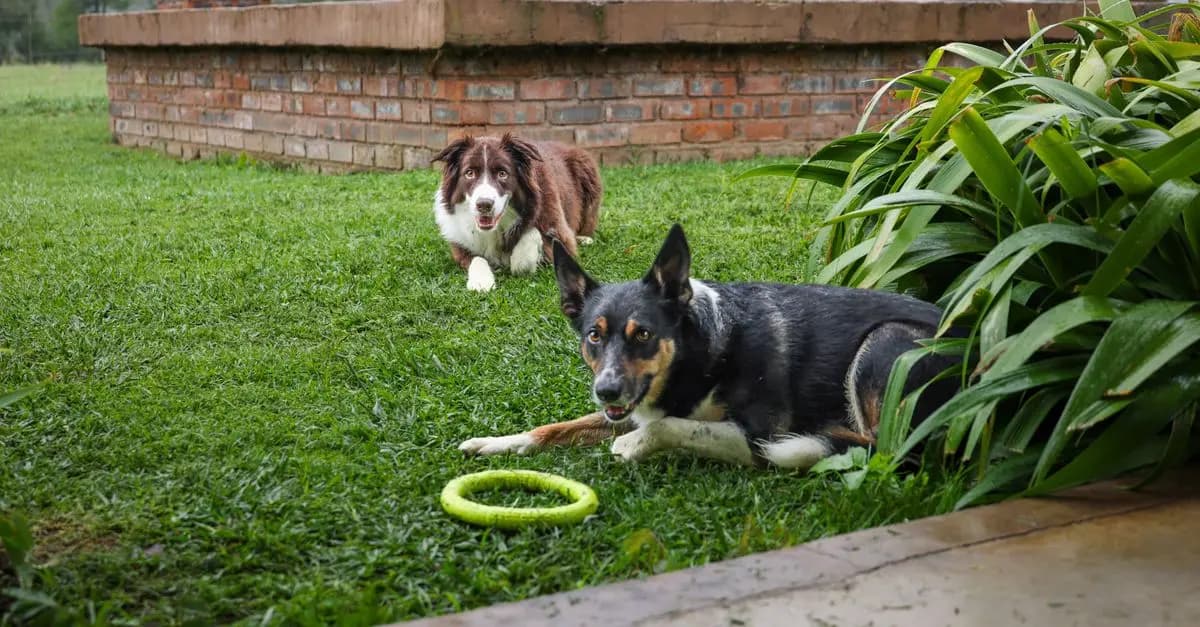
Establishing specific areas in your garden for your pets can help keep them safe and happy. Designating a space with pet-friendly mats or grass provides a clean area for them to explore without trampling on delicate plants. This area can also serve as a play zone, equipped with toys or agility equipment. Creating boundaries with low fences or natural barriers will encourage pets to enjoy their designated space while keeping them contained.

Kikidex (As show, One size) Leaf Blower for Vacuum Cleaner, Vacuum Cleaner Bag, Garden L
onbuy.com


3. Install Pet-Friendly Fencing
Safety first! Ensure your garden is properly fenced to prevent your pets from wandering into unsafe areas or escaping. Opt for fencing that is tall enough to deter jumping and secure enough to prevent digging. Chain-link or wooden fencing can be effective, but make sure it is devoid of any sharp edges or gaps that your pets can squeeze through. A well-fenced garden is the first line of defence in a pet-friendly home.
4. Provide Shady Retreats
Outdoor spaces can often become too hot for pets. Create shaded areas by planting trees or using awnings to give your pets a cool retreat from the sun. You can also use canopies or umbrellas in lounging areas. Providing shelter helps reduce the risk of overheating and dehydration, especially during warm days. Make sure fresh water is always available in these shady spots.
5. Safe Walkways
Designing safe pathways in your garden is vital for both your pets’ enjoyment and safety. Use smooth materials that won’t hurt their paws, such as stepping stones or treated wood. Avoid sharp gravel or stones that can cause injuries. Create a clear and defined path that encourages exploration without encouraging digging or running around areas where plants are trying to flourish.
6. Create Engaging Experiences
A well-designed garden should stimulate pets’ senses. Incorporate features such as herb gardens with safe-to-eat herbs like basil or parsley, which not only smell nice but are also enjoyable for your pet. Water features, like small ponds or fountains, can provide auditory and visual stimulation while allowing for safe play under supervision. Interactive garden toys can add enrichment to their outdoor time as well.

China mini outdoor garden portable barrel bluetooth speaker for backpack with wireless charging
Alibaba UK

Orsina 2 Seat Rope Sofa, Rope Garden Sofa, Easy to Clean Grey Outdoor Sofa, Back & Armrest Rope Sofa Grey
debenhams.com

7. Maintain a Neat Environment
A tidy garden is not only aesthetically pleasing but also safer for pets. Regularly check and remove any hazardous debris, such as sharp sticks, plant trimmings, or rubbish. This reduces the risk of injuries and keeps pets from chewing on inappropriate items. By maintaining a neat environment, you can ensure a safer space for your pets to enjoy.
8. Monitor Pesticide Use
If you need to use pesticides, opt for pet-friendly options that won’t harm your furry friends. Many conventional pesticides contain harmful chemicals that can be toxic if ingested or inhaled. Look for natural or organic alternatives and apply them when pets are not in the garden, washing the areas thoroughly before letting your pets back outside. Always read labels to ensure they're safe for pets before application.
9. Keep Garden Equipment Secure
Storing gardening tools and equipment securely is paramount to prevent accidents. Sharp tools, electric wires, and chemicals can pose significant dangers to curious pets. Use locked sheds or high shelves to ensure your pets cannot access hazardous items. Additionally, when gardening, always supervise or keep pets indoors to avoid any potential accidents.
10. Regular Checks and Engagement
Finally, regular health checks for your pets and engaging them during outdoor activities help foster a healthy bond between you and your pets in your garden. Regularly inspect your outdoor space for potential hazards and adjust your layout or plants as needed. Engaging actively with your pets fosters a better environment and enhances their enjoyment of the space.
Conclusion
Creating a pet-friendly garden is achievable by following these essential tips. Regular maintenance and thoughtful planning help ensure your garden remains a safe haven for your furry companions. By investing time into making your garden pet-friendly, you create an inviting space that benefits the whole family, humans and pets alike.
Checklist for a Pet-Friendly Garden
- [ ] Choose non-toxic plants
- [ ] Create designated pet areas
- [ ] Install safe fencing
- [ ] Provide shaded areas
- [ ] Create safe walkways
- [ ] Include engaging experiences
- [ ] Maintain a tidy environment
- [ ] Use pet-friendly pesticides
- [ ] Secure garden equipment
- [ ] Conduct regular checks and engage with pets
Glossary
| Terme | Définition |
|---|---|
| Toxic Plants | Plants that can harm pets if ingested. |
| Fencing | Barrier used to enclose an area for safety. |
| Enrichment | Activities or objects that enhance an animal's environment. |
> 📺 Pour aller plus loin: *Check out our video on how to create the ultimate pet-friendly garden for top tips and tricks. Search on YouTube: “create a pet-friendly garden 2026”.
🧠 Quiz rapide : What is a common non-toxic plant for pets?
- A) Lilies
- B) Marigolds
- C) Azaleas
Réponse : B — Marigolds are non-toxic and safe for pets.
Recommended products
Selected by our experts

(grey pine, middle sofa) vidaXL Garden Middle Sofas Outdoor Sofa Sectional Sofa
onbuy.com

SBAOH P302 Portable Power Station with 60 W Solar Panel, 296 Wh Solar Generator with 300 W Output, Mobile Power Supply for Garden, Travel, Camping,
Gshopper


(grey pine, corner sofa) vidaXL Garden Middle Sofas Outdoor Sofa Sectional Sofa
onbuy.com

vidaXL Garden Sofa Set 2 Piece Outdoor Sofa Set Corner Sofa Solid Wood Pine
onbuy.com